Red Band Typeface: Mastering the Art of Aggressive Typography
If you're looking to make a statement with your designs, Red Band Typeface might just be the tool you need. This typeface is crafted for those who want to channel the raw intensity of heavy metal and the dark allure of gothic and tribal art into their visual projects. From album covers to tattoo designs, Red Band brings an unmatched level of power and presence to any design that dares to stand out.
What Makes Red Band Unique?
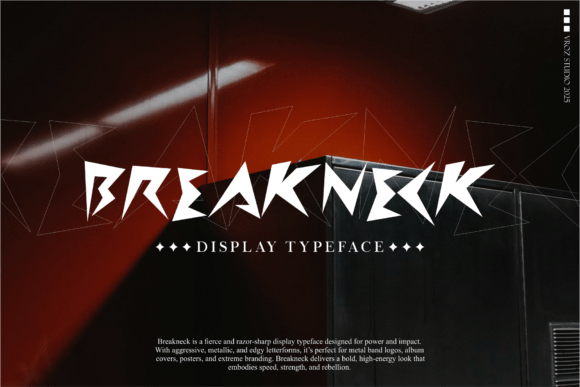
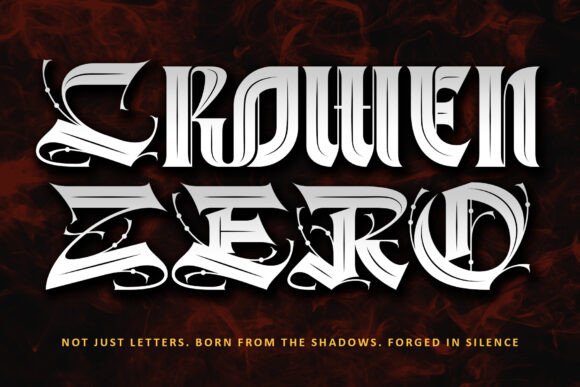
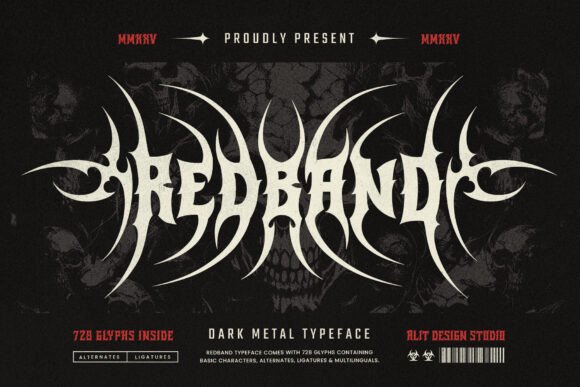
Red Band isn't just another font; it's a visual experience. Its jagged edges, thorn-like embellishments, and aggressive structure are designed to command attention. Inspired by subcultures that thrive on rebellion and strength, this typeface is ideal for:
- Heavy metal band logos
- Album and merchandise artwork
- Streetwear branding
- Tattoo studios and body art designs
- Gaming and extreme sports content
- Horror movie posters and related media
Its versatility means it can adapt to both digital and print formats, but only if used correctly. That’s where understanding its strengths—and potential pitfalls—comes in handy.
Common Mistakes When Choosing or Using Red Band
Many designers jump into using Red Band without considering how it fits within their overall project. Here are some common missteps to avoid:
1. Overlooking Legibility
Red Band is undeniably bold, but its aggressive style can come at the cost of readability. While it works well for headlines or short text, using it for longer paragraphs or fine details may alienate your audience. Always test it with actual content before finalizing your design.
2. Ignoring Color and Contrast
This typeface thrives in high contrast environments. Pairing it with light colors on a dark background or vice versa can enhance its impact. However, many users fail to consider color psychology and contrast ratios, leading to ineffective or even inaccessible designs. For example, placing Red Band on a red background might reduce legibility rather than highlight its ferocity.
3. Misusing It for All Occasions
Red Band isn’t a one-size-fits-all solution. Its intense character makes it perfect for edgy brands, but it can clash with more refined or minimalist aesthetics. If you're designing for a luxury brand or corporate identity, this font could send the wrong message. Always match the tone of the font with the brand or message it supports.
4. Skipping Licensing Checks
One of the most overlooked aspects when downloading or purchasing a font like Red Band is licensing. Some versions are free for personal use, while commercial applications require a paid license. Failing to verify these terms can lead to legal issues down the line. Always check the font provider's website for clear licensing information before use.
How These Mistakes Can Affect Your Design
Choosing the wrong font can significantly impact your project’s success. In the case of Red Band, misuse might result in:
- Reduced usability: Hard-to-read text frustrates users and can lead to poor engagement.
- Inconsistent branding: The font may not align with your brand's personality, confusing your audience.
- Legal complications: Unauthorized commercial use could lead to fines or rework costs.
- Poor visual hierarchy: Without proper contrast and spacing, key messages may get lost in the chaos.
Use Sparingly and Strategically
To maintain balance, reserve Red Band for impactful elements such as titles, logos, or call-to-action buttons. For supporting text, choose a complementary font that ensures clarity and flow. This approach allows the Red Band Typeface to shine without overwhelming the rest of the design.
Experiment with Color Combinations
Try pairing Red Band with contrasting hues like black, white, or deep metallic tones. Avoid using similar shades that might dull its effect. For instance, a white Red Band logo against a black backdrop can evoke a strong gothic vibe, while a blood-red version on a gray canvas might feel more aggressive and modern.
Check for Commercial Use Permissions
Before using Red Band in any paid project—such as client work, marketing materials, or product packaging—ensure you have the correct license. Visit the official font marketplace or contact the designer directly to clarify usage rights. This step helps avoid future headaches and protects your professional reputation.
Optimize for Different Platforms
Red Band may look great on a large poster, but scaling it down for web use can reveal flaws. Test it across various platforms including mobile devices, social media, and print. Adjust kerning and tracking to maintain sharpness and readability, especially when using it in tight spaces or small sizes.
Realistic Examples of Effective Use
Let’s explore a few scenarios where Red Band delivers powerful results:
Metal Band Logo Design
A local heavy metal band was struggling to find a logo that matched their sound. After experimenting with several fonts, they settled on Red Band for their main title. They paired it with a dark blue background and added subtle flames and tribal patterns for extra depth. The result? A visually striking logo that resonated with fans and stood out at live shows.
Streetwear Brand Packaging
A streetwear label wanted to launch a new clothing line inspired by punk culture. They chose Red Band for their tagline and product labels, ensuring the font complemented their gritty aesthetic. By using it alongside a muted color palette and clean sans-serif fonts for descriptions, they achieved a balanced yet rebellious look that appealed to their target demographic.
Video Game Title Screen
An indie game developer used Red Band for the title screen of a fantasy RPG. To prevent the font from becoming too busy, they limited its use to the game name and selected a crimson hue with glowing effects. The outcome was a memorable and immersive first impression that aligned perfectly with the game’s theme.
What to Check Before Making a Decision
Before incorporating Red Band into your next project, ask yourself these questions:
- Does this font reflect the mood and identity I want to convey?
- Will it remain readable at different sizes and resolutions?
- Am I using it in a context where its aggressive style is appropriate?
- Do I have the right license for my intended use?
- Is there sufficient contrast between the font and the background?
Answering these will help you determine whether Red Band is the best choice or if another typeface might better suit your needs.
Better Approaches for Maximum Impact
Instead of blindly applying Red Band to everything, consider these strategies:
- Layer it with textures: Add grunge, rust, or shadow effects to amplify its dark energy without compromising legibility.
- Pair it with simplicity: Use a clean, minimal font for body text to let Red Band take center stage.
- Test on real-world surfaces: Especially for tattoos or apparel, see how it looks on fabric or skin under different lighting conditions.
- Seek feedback: Show your design to a diverse group of people to gauge how the font affects perception and readability.
Conclusion
Red Band Typeface is a powerful asset for creators aiming to deliver strong visual statements. But like any tool, it requires thoughtful application. Understanding its unique characteristics, avoiding common mistakes, and optimizing its use can transform your designs from good to unforgettable. Whether you're a seasoned designer or just starting out, choosing the right font for the right purpose is essential for crafting compelling visuals that connect with your audience.