Sacred: A Font That Commands Attention and Conveys Intensity
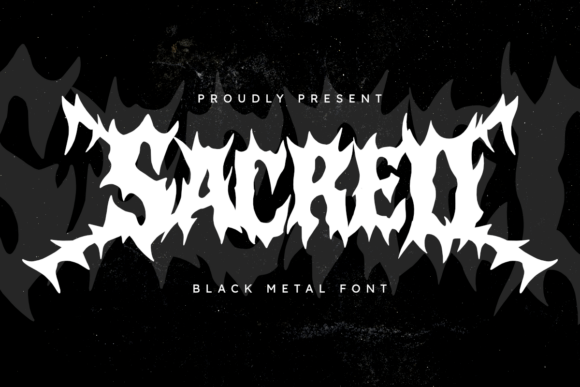
Sacred is more than just a font—it's a statement. Designed with an aggressive edge, this raw and wickedly sharp black metal-inspired typeface channels the dark, chaotic energy of extreme underground music culture. Its spiked characters and brutal strokes make it a powerful visual tool for those who want to communicate intensity, rebellion, or something deeply unsettling. While it may not be appropriate for every design scenario, when used correctly, Sacred can elevate branding, marketing materials, creative projects, and even digital experiences in ways that are both strategic and memorable.
Understanding the Power of Sacred
Fonts do more than just present text; they convey emotion, set tone, and establish identity. Sacred is built around these principles, offering a bold and unapologetic aesthetic that immediately captures attention. It’s not subtle, but that’s by design. In environments where you need to stand out—whether in print, on screen, or within a product’s user interface—Sacred delivers impact with minimal effort.
The font’s origins in black metal and horror visuals give it a unique cultural resonance. For designers and creators working in niche genres or subcultures, using Sacred can be a way to tap into authenticity and build stronger connections with their audience. It’s not just about looking edgy; it’s about aligning your visual language with the message you want to send.
Strategic Use Cases for Sacred
- Branding for Niche Markets: If your business operates in a space like heavy music, horror entertainment, or avant-garde fashion, Sacred can help reinforce your brand’s personality. Consider using it for logos, album art, or promotional banners.
- Marketing Materials: Think beyond traditional fonts for campaigns that aim to disrupt the norm. Sacred can work wonders in headlines for posters, event flyers, or social media content designed to shock or provoke curiosity.
- Product Packaging: For products targeting mature audiences—like limited edition vinyl records, collectibles, or artisanal goods—Sacred adds a layer of grit and character that enhances perceived value and exclusivity.
- Digital Experiences: On websites or apps where atmosphere is key, such as fan forums, streaming platforms for extreme music, or immersive games, Sacred can enhance the overall experience by reinforcing the mood.
Planning Thoughtfully with Sacred
Before integrating Sacred into your project, consider its purpose. Is it meant to evoke fear? Challenge expectations? Or simply create a strong first impression? The answers will shape how—and whether—you should use it.
- Define Your Objective: Align the use of Sacred with your communication goals. Ask yourself if the font supports your message or distracts from it.
- Know Your Audience: Will they interpret Sacred as powerful and authentic, or off-putting and unprofessional? Understanding perception is critical in making the right call.
- Test in Context: Always preview Sacred in the environment it will appear in. How does it look at different sizes? Does it pair well with other fonts or background elements?
- Balance Impact with Readability: While Sacred is visually striking, its aggressive style can reduce legibility. Limit its use to short bursts of text—headlines, titles, or accents—to maintain clarity and effectiveness.
Positioning Sacred in Your Visual Strategy
Incorporating Sacred strategically means using it to position your brand or content in a specific way. For instance, a small independent record label might use Sacred in its logo and promotional materials to signal that it represents raw, uncompromising talent. Similarly, a horror film festival could leverage Sacred in its poster design to amplify the sense of dread and anticipation.
Thoughtful positioning involves more than just picking a font. It requires understanding how each element of your visual identity contributes to your overall narrative. When Sacred is used intentionally, it becomes part of a larger strategy to engage, attract, and retain a target demographic that values boldness and originality.
When to Avoid Sacred
Despite its strengths, Sacred isn’t a one-size-fits-all solution. There are situations where it could undermine your efforts rather than support them. These include:
- Professional Corporate Communication: In formal reports, presentations, or business proposals, Sacred would likely clash with the expected tone of professionalism and clarity.
- Accessibility Concerns: The jagged, complex structure of Sacred may pose readability issues for users with visual impairments or those accessing content on smaller screens.
- Long Text Passages: Because of its stylized nature, Sacred is not suitable for body text or extended reading material. Reserve it for short, impactful statements only.
- Brand Conflicts: If your brand image is warm, inviting, or family-friendly, Sacred could confuse your audience or alienate potential customers.
Use Sacred only when it enhances the message, not when it complicates it. A mismatched font choice can dilute your brand voice and lead to miscommunication.
Risks of Using Sacred Without Strategy
Many creatives fall into the trap of using intense fonts like Sacred for novelty alone. This approach often results in poor outcomes. Without a clear context or objective, Sacred can come across as gimmicky, over-the-top, or even offensive.
For example, a startup aiming to project innovation and trust might find Sacred jarring and inappropriate. It’s crucial to evaluate whether the font aligns with your brand values and long-term vision. Strategic decisions require more than aesthetics—they demand alignment with purpose.
Practical Examples of Sacred in Action
Here are some real-world applications where Sacred has been used effectively:
- Album Art Design: A death metal band named "Obsidian Veil" used Sacred for the title of their latest EP. The font’s brutality matched the track listing and enhanced the overall aesthetic of the artwork.
- Event Promotion: A local horror convention created a poster using Sacred for the headline. The contrast between the font and a blood-red background amplified the theme and drove engagement on social media.
- Podcast Branding: A podcast titled “The Cult Below” adopted Sacred for its title card and intro animation. The font helped establish a distinct identity in a crowded market and attracted a dedicated following.
- Merchandise Design: An underground clothing line uses Sacred on t-shirt designs and patchwork jackets. The font’s rawness reinforces the brand’s ethos of rebellion and authenticity.
How to Approach Sacred Like a Pro
If you decide Sacred is right for your project, approach it with discipline. Here’s how to ensure it serves your goals:
- Limit Usage: Apply Sacred sparingly—only to headers, titles, or accent text. Overuse will diminish its impact and potentially frustrate readers.
- Pair with Simpler Fonts: Balance Sacred with clean, readable fonts for body text. This ensures your message remains accessible while still benefiting from the font’s dramatic flair.
- Consider Color and Contrast: Use high-contrast color combinations (e.g., white on black or red on grey) to highlight the font’s sharp edges and add visual tension.
- Align with Other Elements: Ensure Sacred complements other design components—images, layout, and tone—without overshadowing them. The goal is harmony, not chaos.
Decision-Making Guidance for Creative Professionals
As a designer or creator, your job is to choose tools that best serve your audience and objectives. Sacred is a tool that demands respect and careful consideration. Before committing to it, ask yourself:
- Does this font reflect the core values of my brand or project?
- Will it resonate with the people I’m trying to reach?
- Am I using it to support a message, or am I using it because it looks cool?
- Can I maintain readability while still achieving the desired emotional impact?
These questions aren’t just about taste—they’re about effectiveness. Making intentional choices leads to better outcomes, especially in competitive industries where differentiation matters.
Learning from Real-World Outcomes
One of the most valuable aspects of using Sacred is learning through iteration. For example, a video game developer initially used Sacred for all in-game text, including dialogue and menus. While the font fit the game’s dark fantasy theme, players reported difficulty reading the text during gameplay. After feedback, the team switched to a cleaner font for UI elements while keeping Sacred for title cards and lore sections. The result was a balanced experience that honored the game’s tone without sacrificing usability.
This case highlights a key lesson: extreme fonts must be tempered with practicality. They work best when they complement—not compete with—the rest of your design ecosystem.
Integrating Sacred Into Long-Term Branding
For brands that rely on a consistent visual identity, Sacred can be a valuable asset when incorporated thoughtfully. It can become a signature element that viewers associate with your message, especially in markets where boldness is valued.
However, long-term use requires consistency. If you introduce Sacred now and abandon it later, your audience may lose the connection you’ve built. Keep the font usage aligned with your evolving brand strategy to maintain its relevance and impact.
Best Practices for Sustained Use
- Develop a visual hierarchy that makes Sacred easy to spot and meaningful in context.
- Document your font usage in your brand guidelines so that everyone involved understands when and how to apply it.
- Monitor audience reactions and adjust based on feedback. What works today may need refinement tomorrow.
- Combine Sacred with other stylistic choices—such as imagery, sound, or copywriting—that reinforce the same mood and message.
Conclusion: Use Sacred with Purpose
Sacred is a font that speaks volumes in few words. Its raw, aggressive style is perfect for those who understand the power of visual storytelling and know how to wield it responsibly. Whether you're designing for a black metal band, a horror-themed app, or any project that needs a visceral punch, Sacred can help you stand out—but only if you use it with intention.
Remember, fonts are part of a broader communication strategy. Let Sacred support your goals, not dictate them. With the right planning, thoughtful execution, and awareness of your audience, you can turn this bold typeface into a cornerstone of your creative arsenal.