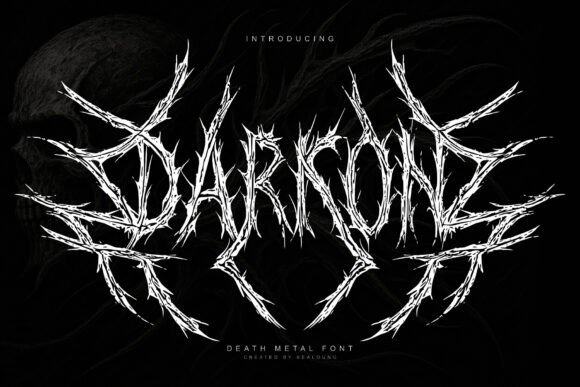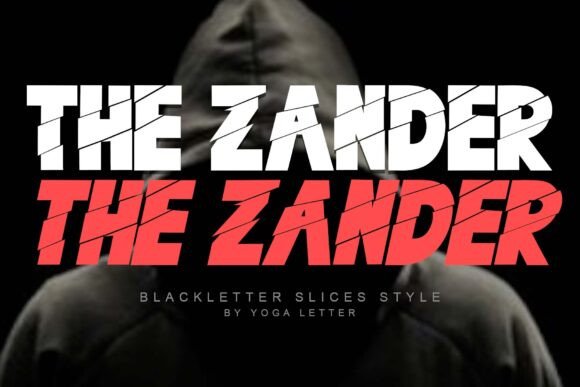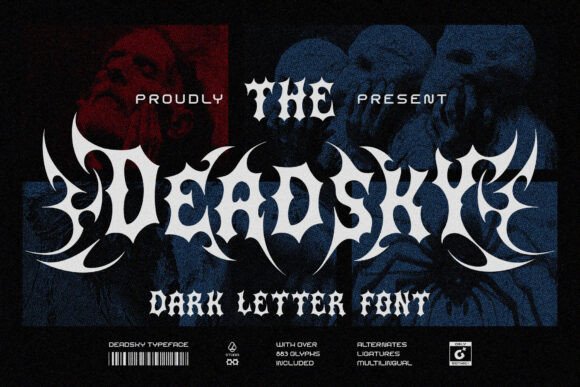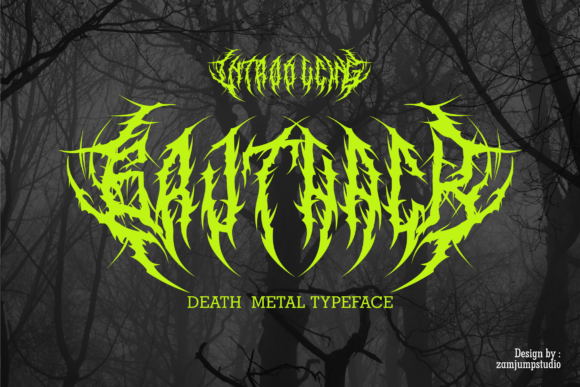
Necromancer Exorcist: A Typeface of Arcane Power for Bold Design
Typography is more than just a means to communicate—it’s a visual language that shapes perception and evokes emotion. For designers, musicians, and creators in the realms of dark culture, finding the right typeface can be the difference between a forgettable design and one that lingers in the mind like an incantation whispered at midnight. Enter Necromancer Exorcist, a dynamic duo of fonts that fuse the raw power of black metal aesthetics with the haunting energy of occult symbolism.
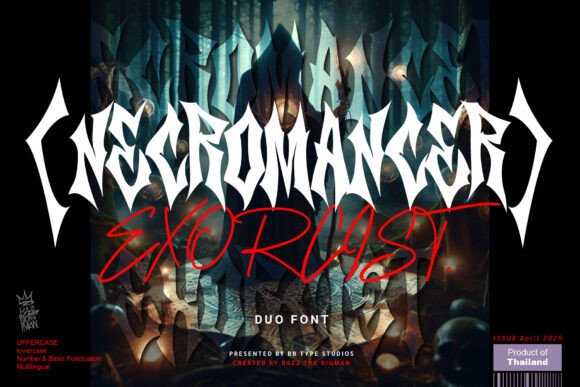
This unique typographic pairing brings together two contrasting yet complementary styles: Necromancer, a sharp, structured display font, and Exorcist, a wild, chaotic handwritten cipher. Together, they form a visual dialectic that speaks directly to the soul of dark artistic expression. Whether you're designing album covers, promotional materials, or immersive brand identities, Necromancer Exorcist offers a compelling solution for those who seek to evoke mystery, rebellion, and ancient power through their typography.
What Is Necromancer Exorcist?
Necromancer Exorcist is not just a single font but a cohesive pair designed to work in tandem. Each font has its own distinct character:
- Necromancer: A bold, serrated display font inspired by the rigid symmetry of ancient rites and the angular aggression of black metal visuals. Its keen-edged serifs and heavy weight make it ideal for commanding attention in high-impact designs.
- Exorcist: A frenetic, brush-style handwritten font that channels the untamed energy of ritualistic chaos. Infused with bursts of red, this style adds a layer of urgency and intensity, perfect for expressive text elements.
The interplay between these two fonts creates a balance of control and rebellion—structured darkness met with unbridled fervor. This duality makes them especially effective in projects where contrast is key, such as music albums, horror-themed branding, or fantasy-inspired marketing.
Challenges in Dark-Themed Typography
Creating visually striking content in the dark arts genre presents unique challenges. Traditional fonts often fail to capture the essence of shadowy rituals, arcane knowledge, or the primal energy of rock and black metal. Many typefaces either lean too heavily into clichéd gothic styles or lack the necessary depth and authenticity to truly resonate with the target audience.
Designers working in this niche also face the need for variety without losing thematic consistency. It's difficult to maintain a cohesive look while still providing enough diversity in typography to keep a project from feeling monotonous. Additionally, readability must be balanced with aesthetic impact, particularly when using complex or stylized fonts like those found in the Necromancer Exorcist set.
Goals and Needs for Effective Dark-Themed Designs
For professionals and enthusiasts in the dark arts community, the goal is often to create designs that are both visually arresting and thematically rich. The needs include:
- Authenticity: Fonts should reflect the true spirit of the themes being explored—whether that's ancient evil, spiritual warfare, or musical rebellion.
- Versatility: The ability to use different styles within the same project without clashing or diluting the message.
- Impact: Capturing attention and conveying emotion through typography, even before a viewer reads the actual words.
- Readability: Ensuring that despite the intricate details and stylistic flourishes, the text remains legible and functional.
Necromancer Exorcist addresses each of these needs with precision and flair. By offering two fonts that share a common thematic thread but differ in execution, it gives designers the tools they need to craft layered, compelling visuals without sacrificing clarity or coherence.
How Necromancer Exorcist Addresses These Challenges
The Necromancer font serves as the backbone of any design. Its structured, aggressive lines provide a foundation of authority and gravitas, making it perfect for headers, logos, and titles. Meanwhile, Exorcist injects movement and unpredictability—ideal for subheadings, song titles, or call-to-action phrases that require a surge of emotional intensity.
By combining these two fonts, you can build a hierarchy that feels both deliberate and dramatic. For instance, a Black Metal band might use Necromancer for the main album title and Exorcist for the track listing, creating a visual rhythm that mirrors the tension between order and chaos in their music.
Additionally, the presence of red accents in Exorcist adds a symbolic dimension—often associated with blood, fire, or danger. This subtle detail enhances the emotional palette of your design without overwhelming the senses, allowing for nuanced storytelling through typography alone.
Practical Applications and Outcomes
There are countless ways to implement Necromancer Exorcist into your creative workflow. Here are some practical applications and the outcomes they can produce:
- Music Album Covers: Use Necromancer for the main title to establish dominance and Exorcist for artist names or subtitle text to add a sense of urgency and rebellion. The result is a cover that demands respect and resonates with fans of dark genres.
- Tour Posters: Highlight event dates and venues with Necromancer to ensure legibility and structure, then let Exorcist take over for the headline or tagline. This approach ensures critical information stands out while the design retains a visceral edge.
- Horror Branding: Whether launching a new line of occult-themed products or promoting a film festival, this font combination helps build a brand identity steeped in mystery and menace. The stark contrast between the two styles can mirror the conflict central to many horror narratives.
- Thematic Websites and Portals: For sites dedicated to esoteric topics, fantasy worlds, or underground music scenes, these fonts can be used strategically to guide the user experience. From navigation menus to featured content banners, they help reinforce the site's tone and purpose.
Examples of Effective Use
Imagine a Black Metal band named "Veil of Ashes" launching a new EP titled "Ritual of the Hollow Sun." Using Necromancer for the band name and Exorcist for the EP title would immediately convey a sense of ritualistic dread and defiance. The structured elegance of Necromancer grounds the design, while the frenzied script of Exorcist amplifies the mystical tension.
Another example could be a book cover for a novel about exorcism and forbidden magic. Here, Necromancer could be used for the author’s name and publication details, ensuring clarity and professionalism. Meanwhile, Exorcist could bring the title to life with a sense of impending doom and supernatural struggle.
Recommendations for Implementation
To get the most out of Necromancer Exorcist, consider the following tips:
- Balance Structure and Chaos: Use Necromancer for primary text elements and Exorcist for secondary or accent text. Avoid overusing Exorcist in long passages to maintain readability.
- Color Contrast: Pair the red-infused Exorcist with darker backgrounds or metallic grays to enhance its fiery appearance. For Necromancer, deep blacks or sepia tones can amplify its ominous feel.
- Layering and Effects: Add subtle effects like drop shadows, texture overlays, or ink bleed to deepen the occult atmosphere. Both fonts respond well to treatments that suggest age, decay, or ritualistic markings.
- Font Pairing Tools: If you’re unsure how to integrate these fonts with others, try using online font pairing tools to find complementary styles that don’t clash. Look for minimalist sans-serif fonts to contrast with the ornate nature of Necromancer Exorcist.
Considerations for Different Users
Depending on your background and goals, you may approach Necromancer Exorcist differently:
- Graphic Designers: You’ll likely appreciate the versatility of this font duo. Experiment with layering them in mockups or using them in conjunction with other occult symbols or textures to create a more immersive design.
- Musicians and Bands: Think of these fonts as part of your brand identity. They can be used across merch, social media, and live posters to maintain a consistent visual theme that reflects your sound and philosophy.
- Content Creators: Whether you're running a YouTube channel focused on dark history or creating art for a role-playing game, these fonts can help set the mood instantly. Use Exorcist for voiceover intros or dramatic captions to grab attention and evoke emotion.
- Marketing Professionals: For campaigns targeting niche audiences in the occult, fantasy, or alternative music spaces, these fonts can help your message stand out. They signal authenticity and align with the expectations of your audience for a specific visual tone.
Why Choose Necromancer Exorcist?
In a world where visual communication is king, Necromancer Exorcist provides a powerful toolkit for those who want to speak the language of the arcane. Unlike generic dark-themed fonts, this pair has been crafted with intention—to embody the very essence of what it means to walk the line between creation and destruction, order and chaos.
Its appeal lies in its ability to tell a story beyond the words themselves. With Necromancer’s controlled ferocity and Exorcist’s wild energy, you can craft designs that not only look good but feel alive with meaning. This is particularly valuable in industries where visual identity plays a crucial role in connecting with the audience—such as music, gaming, or publishing in the horror and fantasy genres.
Moreover, because these fonts are tailored to dark aesthetics, they avoid the pitfalls of overused gothic styles. Instead, they offer something fresh and original—an authentic reflection of the themes they represent.
Final Thoughts
Typography is a tool for expression, and Necromancer Exorcist is a tool that knows no bounds. Whether you're crafting a logo for a death metal band, designing a promotional poster for a horror film, or building a website for an esoteric podcast, these fonts offer a rare blend of sophistication and intensity.
By choosing Necromancer Exorcist, you're not just selecting a typeface—you're embracing a visual philosophy rooted in the ancient and the avant-garde. Let these fonts do the work of evoking the eerie, the enigmatic, and the electrifying. In the end, the right typography doesn’t just catch the eye; it captures the soul of your message.