Dead Sky: A Bold Typeface for Rebellious Designers
Typography plays a crucial role in shaping the visual identity of any design. From branding to editorial layouts, the choice of font can significantly influence how a message is perceived. Dead Sky stands out as a unique and expressive typeface that merges the raw energy of punk culture with the intricate details of tribal motifs. This edgy font is crafted for designers seeking a strong visual impact, particularly in projects that demand an aggressive, attention-grabbing aesthetic.
The Origins and Inspiration Behind Dead Sky
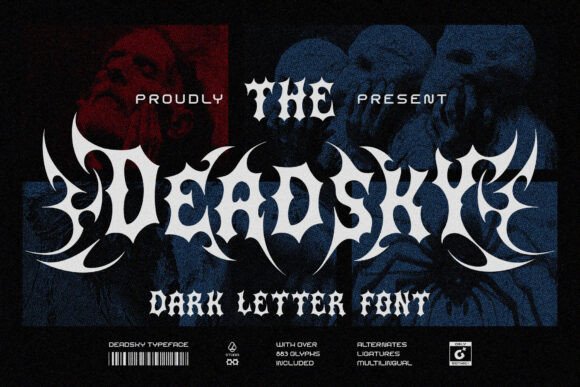
Dead Sky draws its inspiration from two powerful sources: the countercultural movement of punk and the ancient symbolism found in tribal art. These influences combine to create a typeface that feels both modern and timeless. The sharp, thorn-like elements integrated into each character give it a jagged, rebellious edge, while dynamic swashes add fluid motion and complexity.
This fusion results in a font that’s not just decorative but also deeply evocative. It channels the DIY ethos of punk rock and the primal strength of tribal designs, making it ideal for themes that embrace nonconformity, intensity, and cultural depth. Unlike many fonts that prioritize readability over personality, Dead Sky makes a statement—literally and visually.
Distinctive Features of Dead Sky
What sets Dead Sky apart from other display typefaces are its unique characteristics:
- Sharp, Angular Design: Each letter is infused with jagged edges and pointed details reminiscent of broken glass or tribal weaponry.
- Dynamic Swashes: These flourishes add movement and flair, transforming standard characters into eye-catching symbols.
- High Contrast: The contrast between thick and thin strokes enhances the dramatic effect, especially at larger sizes.
- Darkletter Style: Dead Sky belongs to the darkletter category, which emphasizes boldness, density, and a moody, intense feel.
These features make it particularly effective for headlines, logos, posters, and other large-format applications where visual dominance is key. However, due to its complex structure and ornate details, it may not be suitable for body text or long passages of content.
Strengths of Dead Sky
Dead Sky excels in several areas:
- Attention-Grabbing: Its aggressive look ensures that any text set in Dead Sky immediately commands the viewer's focus. This is especially valuable in industries like music, fashion, and gaming where standing out is essential.
- Versatile Across Themes: While rooted in punk and tribal aesthetics, Dead Sky can adapt to various creative contexts. It works well for fantasy-themed projects, horror-inspired visuals, or avant-garde branding concepts.
- Customizable with Alternates: Many characters include alternate glyphs, allowing designers to tailor the font to specific styles or moods within a project.
- Strong Visual Hierarchy: When used correctly, Dead Sky can anchor a design by providing a focal point that supports other more subdued typographic choices.
Tradeoffs and Limitations
Despite its strengths, Dead Sky has some limitations that should be considered before implementation:
- Readability Concerns: The font’s ornate nature and angular shapes can hinder legibility, especially in smaller sizes or when used in dense text blocks.
- Niche Appeal: While it resonates strongly with certain audiences (such as those in the alternative lifestyle or subculture spaces), it may alienate others who prefer a more minimalist or traditional style.
- Complex Licensing: Depending on the platform or vendor, licensing agreements might impose restrictions on commercial use or require additional fees for extended access to alternates and special characters.
- Color Sensitivity: Because of its high contrast and detailed structures, Dead Sky can lose impact if not rendered in appropriate colors or against the right background.
Designers should weigh these tradeoffs against their project requirements. For instance, if you’re designing a website with a lot of textual content, a secondary, more readable font would complement Dead Sky effectively rather than compete with it.
When to Use Dead Sky and When to Choose Something Else
Dead Sky is best suited for short, impactful phrases rather than full paragraphs. Here are some scenarios where it shines:
- Music Festival Posters: The font’s raw energy aligns perfectly with genres like metal, punk, or electronic music.
- Branding for Alternative Fashion Brands: Whether it's a new line of streetwear or a tattoo studio logo, Dead Sky conveys a sense of rebellion and individualism.
- Art Exhibits and Gallery Displays: As a title or headline font, it adds a dramatic touch to exhibition names or artist statements.
- Video Game Titles and Trailers: Its aggressive style fits well with dark, action-packed game aesthetics or promotional material.
However, there are situations where a different typeface might be more appropriate. For example, in corporate communications, luxury branding, or educational materials, a cleaner, more professional font could be preferable. In such cases, pairing Dead Sky with a sans-serif or serif companion font can maintain balance and enhance overall readability without sacrificing style.
Comparing Dead Sky to Other Display Typefaces
Dead Sky sits within the broader category of display typefaces, which includes everything from graffiti-style fonts to gothic heavyweights. Compared to similar options, Dead Sky offers a more cohesive blend of texture and motion. For example:
- Against Gothic Fonts: While gothic fonts often feature blocky, rigid forms, Dead Sky introduces a level of unpredictability and dynamism through its swash elements and irregular outlines.
- Compared to Graffiti Fonts: Though both share a sense of rebellion, Dead Sky maintains a structured form that avoids the chaotic appearance typical of many graffiti-inspired fonts.
- Relative to Tribal Fonts: Some tribal fonts emphasize symmetry and sacred geometry, whereas Dead Sky leans into asymmetry and raw aggression, making it more suitable for contemporary uses.
Ultimately, the decision to use Dead Sky depends on the desired tone and audience. If your goal is to evoke emotion and create a visceral response, this font is a compelling option. But if clarity and professionalism are top priorities, you might consider alternatives with more refined structures.
Real-World Applications and Examples
Let’s explore some realistic use cases for Dead Sky and how it compares to practical alternatives:
Use Case: Music Album Artwork
Imagine you're creating artwork for a new album by an underground punk band. You want the title to scream authenticity and defiance. Dead Sky would be perfect for the album name, offering a raw, unfiltered look that mirrors the genre’s spirit. In comparison, using a clean sans-serif like Helvetica or a classic serif like Times New Roman would dilute the intended mood and fail to capture the essence of the music.
Use Case: Branding for a Tattoo Parlor
Tattoo studios often seek fonts that reflect the artistry and grit of their craft. Dead Sky’s tribal undertones and aggressive structure can reinforce the brand’s identity. On the flip side, a font like Bebas Neue might provide a simpler, more versatile approach for signage and menus, ensuring legibility across different media and sizes.
Use Case: Horror Movie Poster
A horror film poster needs to grab attention and set a tone quickly. Dead Sky’s menacing silhouette and dynamic swashes can heighten tension and intrigue. However, if the movie has a more psychological or subtle horror theme, a font with smoother transitions and less overt aggression might better suit the narrative.
How to Integrate Dead Sky into Your Projects
Using Dead Sky effectively requires thoughtful application. Here are some tips for integrating it into your design work:
- Limit Usage: Reserve Dead Sky for headlines, titles, or accents. Avoid using it throughout entire layouts to maintain readability and avoid visual fatigue.
- Pair Strategically: Combine it with a neutral font to create contrast. A simple sans-serif or monospaced typeface can help guide the reader’s eye through the design without clashing.
- Experiment with Color and Effects: Due to its high contrast and intricate details, Dead Sky benefits from being paired with dark backgrounds or vibrant colors. Consider adding effects like drop shadows, gradients, or overlays to enhance its dramatic presence.
- Test at Different Sizes: Before finalizing a design, test Dead Sky at various sizes to ensure it remains legible and impactful across platforms, from print to digital screens.
Evaluating Dead Sky for Your Needs
When evaluating Dead Sky, consider the following factors:
- Project Goals: Is your objective to create a bold visual statement or to communicate information clearly? Dead Sky is most effective when used strategically to highlight key messages.
- Target Audience: Will your audience appreciate the font’s edgy appeal, or will they find it off-putting? Understanding your demographic is critical to choosing the right tool for the job.
- Platform Requirements: How will the font appear across different devices and formats? Ensure it looks consistent whether printed on vinyl banners or displayed on a mobile screen.
- Budget and Licensing: Confirm the licensing terms to ensure it meets your usage needs, especially if you plan to deploy it in multiple projects or products.
By considering these elements, you can determine whether Dead Sky is the right fit for your design vision or if another typeface might serve your purpose better.
Alternatives to Consider
While Dead Sky is a standout option, there are other typefaces worth exploring depending on your project’s tone and requirements:
- Blackletter Variants: Traditional blackletter fonts like Cloister Black offer a historical nod with a similar bold, calligraphic style, though they lack the modern edge of Dead Sky.
- Industrial Fonts: Fonts like DIN Pro or Eurostile have a mechanical, no-nonsense look that contrasts with the organic, rebellious feel of Dead Sky.
- Modern Grunge Styles: Options like Brutal or Vag Rounded Shadow provide a grittier vibe but tend to be less stylized compared to Dead Sky’s ornate details.
- Minimalist Bold Faces: For those who want boldness without the complexity, fonts like Montserrat ExtraBold or Raleway Heavy can deliver strong visual impact with greater legibility.
Each of these alternatives brings something unique to the table, and the best choice depends on the context of your design and the message you aim to convey.
Final Thoughts on Choosing the Right Font
In the world of typography, one size does not fit all. Dead Sky is a powerful font designed for those who need to express intensity and individuality through their visual communication. Its combination of punk-inspired aggression and tribal artistry makes it a compelling choice for creative professionals working in niche markets or high-impact environments.
Still, it’s important to evaluate whether the font aligns with your project’s goals and audience expectations. When used thoughtfully, Dead Sky can elevate a design from ordinary to extraordinary. But when misused, it risks overshadowing the message or confusing the viewer. Always test it alongside other design elements to ensure harmony and effectiveness.
Whether you're crafting a logo for a new brand or designing promotional materials for a live event, understanding the strengths and limitations of Dead Sky allows you to make a more informed decision. Explore its possibilities, compare it to other options, and choose what best serves your creative intent.