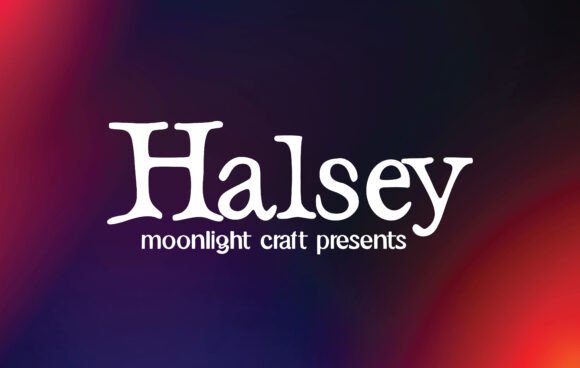
The Zander Font: A Bold Choice for Modern Branding and Design
Fonts are more than just letters—they're the visual heartbeat of any design. Whether you're creating a logo, poster, or digital banner, choosing the right typeface can elevate your project from good to unforgettable. The Zander is one such font that stands out with its unique character cuts and dual-style versatility. Designed for clarity and impact, The Zander offers both regular and italic variants, making it an excellent choice for designers looking to add personality to their work without sacrificing readability.
What Makes The Zander Different?
At first glance, The Zander might remind you of classic display fonts, but what truly sets it apart are the cuts on each letter. These strategic notches give the font a bold, contemporary edge while maintaining a sense of elegance. The result is a typeface that’s eye-catching yet professional—perfect for branding materials where visual identity is key.
Each letter in The Zander has been carefully crafted to ensure balance and harmony across the entire alphabet. The font supports a full range of characters, including capital letters, lowercase letters, numbers, punctuation marks, and multilingual support. This makes it adaptable for use in various languages and regions, broadening its appeal and usability in international projects.
Regular vs. Italic: Two Styles, One Purpose
The Zander comes in two distinct styles: regular and italic. Both are designed to complement each other, allowing for creative flexibility in your typography. The regular style is ideal for primary text elements like headlines and titles, while the italic variant adds flair and emphasis when used for subheadings, taglines, or stylistic accents.
Using both versions together can help create contrast in your designs, which is essential for guiding the viewer's attention. For example, pairing the regular version with the italic in a logo layout can introduce a dynamic feel, making the brand name more memorable.
Why Use The Zander for Business Branding?
In today’s fast-paced digital world, businesses need to stand out. Typography plays a crucial role in shaping how a brand is perceived. The Zander, with its strong presence and modern aesthetics, is particularly well-suited for business branding. Its clean lines and distinctive character cuts make it easy to recognize, which is vital for brand recall.
- Logo Design: The Zander works exceptionally well in logos due to its high legibility at different sizes and its ability to convey strength and sophistication.
- Posters and Banners: When designing promotional materials, the font's boldness ensures your message grabs attention from afar.
- Stickers and Packaging: The Zander’s adaptability means it looks great on small surfaces as well as large ones, making it suitable for stickers, labels, and product packaging.
Many businesses have successfully integrated The Zander into their branding strategy. From tech startups to fashion retailers, this font helps communicate a confident, modern image that resonates with today’s audiences.
Practical Benefits of Using The Zander
There are several reasons why The Zander is a practical addition to your design toolkit:
- Versatility: With both regular and italic styles, you can easily vary the tone and mood of your design. Need something formal? Go with the regular. Want to add a touch of creativity? The italic version delivers.
- Legibility: Despite being a display font, The Zander doesn’t compromise on readability. Each character is clearly defined, even at smaller sizes.
- Multilingual Support: If you’re targeting a global audience, The Zander’s comprehensive character set ensures your message stays consistent across languages.
- Design Compatibility: The Zander blends seamlessly with minimalist layouts and also holds up well in more intricate, decorative compositions.
How The Zander Fits Into Modern Design Workflows
Modern design workflows demand efficiency and flexibility. The Zander meets these needs by offering a streamlined character set and intuitive styling options. Designers can quickly apply the font across multiple platforms, from print to web, knowing it will maintain its integrity and visual impact.
When working with graphic design software like Adobe Illustrator or Photoshop, The Zander allows for easy manipulation of spacing, kerning, and alignment. Its bold structure gives designers more freedom to experiment with layering and effects without losing clarity. In digital environments, such as websites or social media banners, the font remains crisp and clear, ensuring your content is always legible on any screen size.
Use Cases for The Zander in Real-World Projects
Let’s explore some real-world examples where The Zander could shine:
- Restaurant Signage: The Zander’s strong character shape and clean appearance make it perfect for menus, signage, and branding elements in cafes or fine dining establishments.
- Fashion Brand Logos: Many fashion brands use The Zander for their logos because it conveys a sense of exclusivity and modernity.
- Event Posters: Whether it’s a music festival or a corporate event, The Zander can be used to create posters that are both stylish and readable.
- Product Launches: The font is often used in launch campaigns to highlight key phrases or product names, adding a premium feel to marketing materials.
One notable case involved a boutique skincare company that wanted to rebrand. They chose The Zander for their logo and packaging, and the response was overwhelmingly positive. Customers noted the font’s elegance and found it easy to read, which helped reinforce the brand’s message of quality and care.
Factors to Consider Before Choosing The Zander
While The Zander is a powerful tool, it may not be the best fit for every project. Here are some considerations to keep in mind before incorporating it into your design:
- Tone and Message: The Zander is best suited for brands that want to project confidence, creativity, and professionalism. It may not be ideal for casual or playful themes.
- Background Contrast: Because of its bold design, The Zander works best on solid or neutral backgrounds. Avoid using it over busy or colorful imagery unless you're aiming for a specific artistic effect.
- Text Length: Display fonts like The Zander are typically used for short text. Using them for long paragraphs can reduce readability and overwhelm the viewer.
- Pairing with Other Fonts: To avoid clashing, pair The Zander with simpler, sans-serif or serif fonts. This creates a balanced typographic hierarchy that enhances user experience.
Recommendations for Best Use
To get the most out of The Zander, consider the following tips:
- Limit Usage: Use The Zander as a headline or accent font rather than for body text. Save it for impactful moments where you want to draw attention.
- Test Across Devices: Make sure to preview how The Zander looks on mobile, tablet, and desktop screens. Its performance on digital platforms is generally strong, but testing ensures optimal results.
- Customize Thoughtfully: While the font is already striking, subtle customizations like color gradients or drop shadows can enhance its visual appeal further.
- Stay Consistent: Once you’ve chosen The Zander for your brand, use it consistently across all touchpoints. This builds brand recognition and trust over time.
Observations on The Zander in Contemporary Design
As we look at current design trends, there’s a growing preference for fonts that combine uniqueness with functionality. The Zander fits this trend perfectly—it brings a fresh perspective to traditional typography without losing its usability.
Designers who have worked with The Zander often praise its ability to blend into both modern and retro aesthetics. In a minimalist website header, it feels cutting-edge. In a vintage-style poster, it adds a refined twist. This duality makes it a favorite among creatives who value adaptability.
Moreover, The Zander’s multilingual support is a game-changer for international clients. It eliminates the need to switch fonts for different language versions of a project, saving time and maintaining brand consistency.
Common Mistakes to Avoid
Despite its strengths, The Zander can be misused if not applied with care. Here are some common pitfalls to watch out for:
- Overuse: Relying too heavily on The Zander can lead to a cluttered design. Always aim for balance and restraint.
- Ignoring Spacing: The font’s bold nature means spacing between letters (kerning) and words (tracking) becomes even more important. Poor spacing can disrupt the flow and make the text harder to read.
- Wrong Color Choices: The Zander looks best in high-contrast colors. Using soft or muted tones may dilute its impact.
By avoiding these mistakes, you can ensure that The Zander enhances your design rather than detracts from it.
Final Thoughts on The Zander
In summary, The Zander is a versatile and visually compelling display font that’s well-suited for a wide range of applications. Its combination of bold character cuts, dual styles, and multilingual support makes it a valuable asset for any designer’s library. Whether you're working on a logo, poster, or digital campaign, The Zander can help you achieve a professional yet distinctive look.
So, next time you're selecting a font for a branding project, consider The Zander. Its thoughtful design and broad applicability mean it can serve as a cornerstone for your visual identity. Just remember to use it wisely, and your audience will take notice.