Lord Eratgon: A Font of Fire and Fury for Modern Design
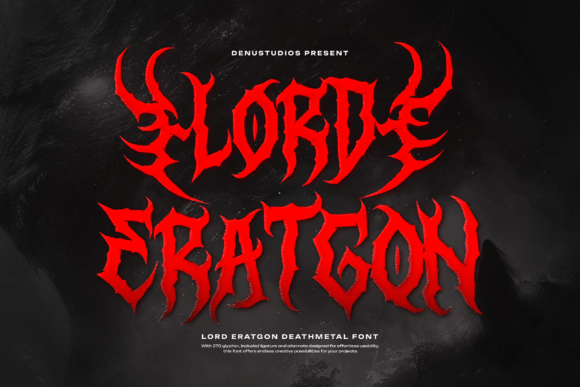
In the world of typography, where aesthetics and meaning collide, a new force has emerged that speaks directly to the rawest emotions. Lord Eratgon is not just any font—it’s a death metal-inspired typeface forged in fire and fury, with razor-edge characters and thorned curves that scream brutality and dominance. This bold design isn’t just about looking aggressive; it's a tool for creators who want to make an indelible visual impact.
The Rise of Bold Typography in Contemporary Design
Design trends are shifting toward more expressive and emotionally resonant visuals. Whether in branding, digital media, or print, audiences are gravitating toward strong, unique fonts that communicate personality at a glance. In this evolving landscape, Lord Eratgon stands out as a powerful option for those seeking to convey intensity and edge.
Modern consumers—especially younger demographics—are drawn to authenticity and originality. Fonts like Lord Eratgon, which carry a distinct character and backstory, align perfectly with these expectations. They offer a way to stand apart in crowded markets, from music genres to gaming and fashion.
Why Lord Eratgon Matters in 2025
As we move deeper into the era of digital-first content, the need for fonts that cut through noise has never been greater. Lord Eratgon is particularly relevant for:
- Band Logos and Music Branding: Death metal bands and related subgenres often rely on intense visuals to match their sound. Lord Eratgon provides the perfect typographic weapon for logos, album covers, and promotional materials.
- Dark Fantasy Themes: With its jagged edges and menacing curves, the font enhances narratives steeped in darkness, magic, and myth. It’s ideal for book covers, game titles, or posters that aim to evoke a sense of dread and wonder.
- Horror and Sci-Fi Content: Creators in the horror and sci-fi industries can use Lord Eratgon to amplify the mood of their work. From movie title cards to merchandise, the font adds a layer of visual storytelling.
- Aggressive Branding: Businesses targeting niche markets with edgy products—like streetwear, extreme sports, or underground art—can leverage this font to reflect their brand identity without compromise.
Alternate Ligatures and Glyphs: More Than Just Style
One of the standout features of Lord Eratgon is its inclusion of alternate ligatures and glyphs. These variations allow designers to craft visually dynamic compositions tailored to specific projects. Unlike generic fonts that repeat the same letterforms, Lord Eratgon offers flexibility, ensuring each piece feels unique and intentional.
For example, when designing a logo for a death metal band named “Blackened Veil,” using the standard version of the font might feel too uniform. By accessing alternate glyphs, the designer could create a more menacing, personalized look that truly captures the band’s spirit. This level of customization is increasingly valued in modern design workflows, where bespoke elements help elevate a project from good to unforgettable.
How Lord Eratgon Fits Into Creative Workflows
Today’s designers and marketers operate in fast-paced environments where adaptability is key. Lord Eratgon is built to integrate smoothly into these workflows while still delivering high-impact results. Its structure supports both digital and print applications, and its compatibility with major design software ensures ease of use across platforms.
Professionals in graphic design, web development, and content creation can benefit from the font’s versatility. It works well in large headlines but also holds up in smaller text due to its high contrast and clarity. For freelancers and entrepreneurs, this means one font can serve multiple purposes—from website headers to social media posts—without losing its punch.
Typography as Emotional Expression
Fonts have always influenced how we perceive information, but today they’re seen as emotional tools. The right typeface can turn a simple phrase into a powerful statement. Lord Eratgon exemplifies this shift by embodying the chaotic energy of death metal and dark fantasy. It doesn’t just look fierce; it feels fierce.
This emotional resonance is especially important in branding. Consider a small independent game studio launching a new RPG set in a post-apocalyptic realm. Using Lord Eratgon for the title and key UI elements would immediately establish the tone of the game—harsh, unrelenting, and immersive. The font becomes part of the experience, reinforcing the narrative before a single line of dialogue is spoken.
A Shift Toward Niche Fonts in Mainstream Media
Historically, mainstream media favored clean, sans-serif fonts for readability and professionalism. But now, there’s a growing acceptance of niche and stylized fonts like Lord Eratgon. This trend reflects broader cultural shifts toward individualism and artistic expression.
Platforms such as YouTube, TikTok, and Instagram are seeing a surge in content that embraces bold, unconventional typography. Viewers crave experiences that feel authentic and untamed. Lord Eratgon caters to this desire by offering a font that’s both expressive and functional, making it suitable even for short-form video content that needs to grab attention quickly.
Practical Applications Across Industries
While Lord Eratgon may originate from the world of death metal, its applications stretch far beyond. Here are some real-world examples of how it can be used effectively:
- Music Industry: Band logos, album art, and merch designs benefit from the font’s raw energy. It helps artists connect with fans who expect visuals that match the intensity of their music.
- Gaming and Esports: Game developers use Lord Eratgon for titles, menus, and promotional materials in action-packed or horror-themed games. It fits seamlessly into UI/UX design for maximum immersion.
- Marketing and Advertising: Brands targeting rebellious or adventurous audiences can use the font in campaigns that emphasize power, rebellion, or transformation.
- Education and Content Creation: Educators and content creators exploring topics like gothic literature, metal culture, or dark history can incorporate the font into presentations or blog headers to reinforce the subject matter.
- Film and Video Production: Horror filmmakers and YouTubers often use Lord Eratgon for title sequences, thumbnails, and subtitles to enhance the viewer’s emotional engagement.
Choosing the Right Projects for Lord Eratgon
Not every project will benefit from a font as aggressive as Lord Eratgon. However, when deployed correctly, it can become a defining element of the design. To determine if it’s the right fit, consider the following:
- Does your message require strength and intensity?
- Is your audience likely to appreciate bold, unconventional style?
- Will the font enhance the overall aesthetic rather than distract from it?
If you answered yes to most of these questions, then Lord Eratgon could be an excellent addition to your creative toolkit.
Evolution of Typographic Identity in Digital Spaces
The internet has transformed typography from a utilitarian necessity into a core component of identity. Fonts are no longer just about legibility—they’re about attitude, genre, and vibe. This evolution has given rise to specialized fonts like Lord Eratgon, which cater to specific niches and communities.
Death metal typography, in particular, has a long history of pushing boundaries. Early pioneers used hand-drawn lettering and distorted styles to create chaos on record sleeves and flyers. Today, Lord Eratgon brings that legacy into the digital age with precision and power, allowing artists to maintain the essence of their craft in modern formats.
Case Study: A Dark Fantasy Book Cover
Imagine a fantasy novel titled “The Ashen Throne.” The author wants the cover to reflect a grim, medieval setting filled with betrayal and bloodshed. Traditional fantasy fonts might come off as too whimsical or soft. Enter Lord Eratgon.
Using the font for the main title instantly conveys the story’s harsh realities. Pairing it with muted colors and shadowy imagery creates a cohesive, intimidating package that appeals to readers seeking something darker and more mature. The result? A cover that doesn’t just attract attention—it demands it.
Recommendations for Effective Use
To get the most out of Lord Eratgon, here are a few best practices:
- Pair with complementary fonts: Balance its aggressiveness with a more readable secondary font for body text or supporting copy.
- Use sparingly: While it’s powerful, overuse can overwhelm the viewer. Reserve it for key visual elements like headings or logos.
- Experiment with spacing and alignment: The font’s sharp angles and thick strokes respond well to tight tracking or asymmetrical layouts, adding to its dramatic effect.
- Test across devices: Ensure the font remains impactful on mobile screens, tablets, and desktops alike.
These tips help maintain the font’s effectiveness without compromising usability or accessibility.
Future Outlook: Will Lord Eratgon Stay Relevant?
Trends in typography tend to cycle, but certain fonts—those that capture a unique mood or movement—have staying power. Lord Eratgon taps into the enduring appeal of the dark arts and heavy metal culture, two areas that continue to thrive in modern pop culture.
As long as audiences seek out bold, expressive design choices, fonts like Lord Eratgon will remain valuable assets. Their relevance isn’t fleeting; it’s rooted in the human need to connect with art that challenges norms and stirs emotion.
Conclusion
Lord Eratgon is more than just a font—it’s a symbol of defiance and creativity. In a time when visual identity is paramount, it gives designers a rare opportunity to channel the primal energy of death metal into their work. Whether you're crafting a logo for a band, designing a game interface, or creating a poster for a horror film, Lord Eratgon delivers a voice that commands attention.
As technology continues to evolve and user expectations grow more demanding, the ability to select fonts that speak volumes is becoming essential. Lord Eratgon is a testament to how typography can shape perception, drive engagement, and define a brand’s visual language. For those who dare to design differently, it’s a welcome addition to the toolbox.