Leroy: A Font for Creative Expression and Branding
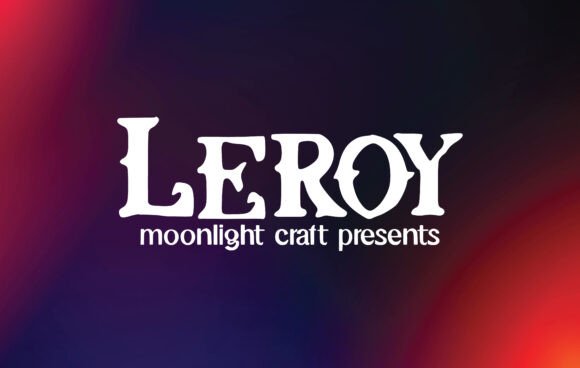
Leroy is a typeface designed with elegance and versatility in mind. It blends the charm of traditional typography with modern readability, making it suitable for a wide range of design projects. Whether you're crafting a logo, designing branding materials, or creating impactful quotes, Leroy offers a unique aesthetic that can enhance your visual communication.
Why Consider Leroy for Your Projects?
The appeal of Leroy lies in its balance between beauty and functionality. For designers and creatives, choosing the right font is crucial—it can elevate a project from ordinary to extraordinary. Leroy's clean lines and subtle character features make it an attractive option for those seeking a font that stands out without overwhelming the viewer.
One reason someone might be drawn to Leroy is its ability to convey sophistication and clarity simultaneously. This duality is especially valuable in branding contexts where a strong visual identity is key. Additionally, Leroy supports a broad set of glyphs and weights, allowing for flexibility across different applications and platforms.
Key Benefits of Using Leroy
- Visual Appeal: Leroy's design is both elegant and approachable, helping to create memorable visuals that resonate with audiences.
- Versatility: Available in multiple weights and styles, this font adapts well to various uses—from headlines to body text.
- Readability: Despite its decorative qualities, Leroy maintains excellent legibility, which is essential for effective communication.
- Brand Alignment: Its refined appearance aligns well with brands aiming for a professional yet artistic look.
When Leroy Is a Strong Fit
Leroy shines in scenarios where aesthetics and clarity must coexist. It is particularly well-suited for:
- Logo Design: The font’s distinctive character makes it ideal for logos that need to stand out while maintaining a sense of professionalism.
- Branding Materials: From business cards to packaging, Leroy adds a touch of class that can reinforce brand values.
- Quote Typography: Its graceful form enhances the impact of motivational messages, book covers, and social media content.
- Print and Digital Media: Whether used in brochures, websites, or mobile interfaces, Leroy performs consistently well across formats.
Considerations and Tradeoffs
While Leroy has many strengths, it's important to weigh these against potential limitations before finalizing your choice. One consideration is its suitability for long-form text. Although readable, its stylized nature may not be as comfortable for extended paragraphs compared to more utilitarian fonts like Arial or Helvetica.
Another factor is licensing. Depending on your use case—whether personal, commercial, or web-based—you’ll need to ensure that the license for Leroy covers all intended applications. Some font families require additional fees for digital use or redistribution, so always review the terms carefully.
Alternatives Worth Considering
If Leroy doesn’t quite meet your needs, there are several other fonts that might serve as better alternatives depending on your goals. For example:
- Montserrat: Offers a geometric, modern feel with excellent readability for both print and screen.
- Raleway: A sleek sans-serif that works well in minimalist designs and digital environments.
- Playfair Display: A serif font with a high contrast and elegant curves, often used in editorial and luxury branding.
- Open Sans: Ideal for long-form content due to its neutral tone and optimized spacing.
Each of these options has a distinct personality and set of advantages. The best alternative will depend on your specific requirements, such as the desired tone, the medium you’re working with, and the audience you’re targeting.
Evaluating Leroy Against Your Needs
To determine whether Leroy is the right fit for your project, consider the following questions:
- What is the primary purpose of the text (e.g., branding, headings, quotes)?
- Who is the target audience, and what kind of message do you want to convey?
- Will the font be used in large sizes or small ones? How does it perform at different scales?
- Does Leroy complement the colors, imagery, and overall style of your design?
- Are there any technical constraints, such as platform compatibility or file size limits?
Answering these questions can help clarify whether Leroy aligns with your creative vision or if another font might be more appropriate.
Expectations and Best Practices
Using Leroy effectively requires attention to context and application. Here are some practical insights to help manage expectations:
- Pairing with Other Fonts: To avoid visual clutter, pair Leroy with a simpler sans-serif or monospace font when using it alongside body text.
- Color Contrast: Ensure sufficient contrast between Leroy and the background color for optimal visibility, especially in digital formats.
- Testing Across Devices: Always test how Leroy appears on different screens and resolutions to guarantee consistent performance.
- Use Case Limitations: While great for short, impactful text, it may not be the best choice for dense paragraphs or data-heavy layouts.
Real-World Applications
In practice, Leroy has been successfully used in a variety of fields. For instance, lifestyle brands often choose it for product labels and promotional materials to evoke a sense of artistry and quality. Similarly, it has found favor among graphic designers working on event posters, wedding invitations, and editorial titles where a touch of refinement is desired.
Its adaptability also makes it popular in digital marketing, where it helps craft engaging headlines and call-to-action buttons that catch the eye without being over-the-top.
Final Thoughts on Choosing Leroy
Selecting the right font involves more than just picking a pretty style; it's about finding a tool that supports your message and meets your functional needs. Leroy is a strong contender for those looking to add a layer of sophistication to their designs, particularly in branding and quote-centric projects. However, it's not a one-size-fits-all solution. By understanding its strengths and limitations, you can make an informed decision that enhances your work rather than hinders it.
If your goal is to create something visually compelling and thoughtfully designed, Leroy could be the perfect match. Just remember to evaluate its fit within the broader context of your project and consider how it aligns with your brand voice and user experience objectives.