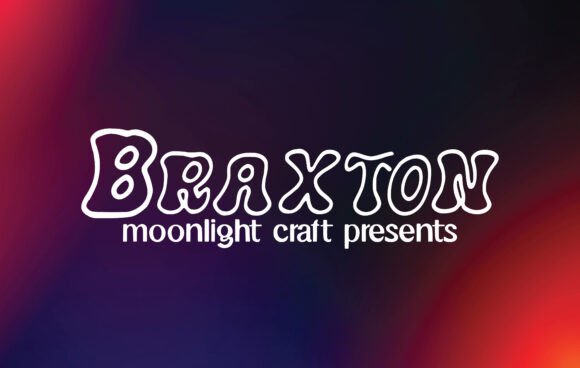
Braxton: A Handwritten Font for Creative Expression
Fonts are more than just tools for readability—they shape the visual identity of your work. In a world where first impressions matter, choosing the right typeface can elevate your message from ordinary to unforgettable. Braxton is a handwritten font that stands out for its elegance and expressive character. Designed with creativity at its core, it offers a unique blend of beauty and practicality for professionals and enthusiasts alike.
Understanding the Essence of Braxton
Braxton is a calligraphic-style font that captures the warmth and fluidity of human handwriting. Unlike rigid, mechanical typefaces, Braxton feels alive on the page—each letter carries subtle variations in stroke weight, curvature, and rhythm. This organic quality makes it particularly well-suited for applications where personality and artistry are key. Whether you're designing a logo, crafting branding materials, or setting apart a quote, Braxton adds a distinctive voice to your content.
Key Characteristics That Define Braxton
- Elegance and Flow: The natural cursive lines give Braxton an artistic flair without being overly decorative.
- Legibility in Context: While not ideal for long blocks of text, Braxton maintains enough clarity to be effective in short, impactful phrases.
- Variety in Style: It often comes with alternate characters and ligatures, offering flexibility for designers to customize their projects.
- Neutral Tone with Personality: Its design avoids extremes in ornateness, making it adaptable across a wide range of creative fields.
Practical Applications of Braxton
Handwritten fonts like Braxton thrive in environments where they can be used sparingly but effectively. They’re especially valuable in branding and marketing contexts where a personal touch can resonate deeply with audiences.
Logo Design and Branding
In logo creation, typography plays a crucial role in defining brand identity. Braxton’s clean yet expressive style can help create logos that feel both professional and approachable. For instance, lifestyle brands, boutique services, or creative agencies often benefit from this kind of font because it conveys authenticity and craftsmanship. When paired with minimalist layouts or soft color palettes, Braxton enhances the perceived value of the brand without overwhelming the design.
Quotes and Captions
Another area where Braxton shines is in the presentation of quotes or captions. Its flowing script works beautifully when used in social media posts, book covers, or motivational posters. The font’s aesthetic allows it to stand out while maintaining a sense of refinement. However, it’s important to use it judiciously—overuse in dense paragraphs can reduce readability and distract from the message.
Marketing Materials and Packaging
For packaging design or promotional assets, Braxton brings a tactile, handcrafted appeal. It’s commonly used in products like greeting cards, artisanal goods, and fashion labels where a bespoke look is desired. Marketers who want to evoke emotion or a sense of individuality can leverage Braxton to craft compelling taglines or product descriptions that feel personal and curated.
Performance in Real-World Use
When evaluating Braxton for a project, it's essential to consider how it performs under different conditions. On digital platforms, it looks best at larger sizes where the nuances of its strokes are visible. In print, it retains its charm and can add a premium feel to high-quality brochures, invitations, or signage. One potential limitation is that it may not scale well for small body text, which could make it unsuitable for things like menus or technical documents.
Designers often test Braxton against other similar scripts to see how it holds up in terms of consistency and usability. In my experience, it compares favorably with fonts like Playfair Display Script or Allura, though each has its own distinct flavor. Braxton strikes a balance between boldness and subtlety, making it versatile enough to adapt to various design aesthetics without losing its character.
Quality and Reliability
The quality of Braxton is evident in its attention to detail. Each glyph is carefully crafted to maintain a cohesive style while allowing for variation. The font supports a broad range of characters, including accented letters and special symbols, which is essential for international branding or multilingual content. Additionally, it’s typically offered by reputable foundries or marketplaces, ensuring reliability in licensing and support for users.
Usability and Flexibility
Braxton is designed to be user-friendly, even for those new to advanced typography features. Most versions include OpenType functionality, such as stylistic alternates and ligatures, which can be accessed easily through design software like Adobe Illustrator or Photoshop. This gives designers control over how the font appears, enabling them to tailor it precisely to their vision. However, some beginners might find these features overwhelming at first, so a brief tutorial or guide could be helpful when starting out.
Who Can Benefit from Using Braxton?
Braxton is not just another pretty font—it serves specific purposes for certain professionals. Here are a few groups that may find it particularly useful:
- Graphic Designers and Illustrators: Those looking to incorporate handwritten elements into their designs will appreciate Braxton’s versatility and aesthetic appeal.
- Entrepreneurs and Small Business Owners: If you're building a brand around creativity, community, or personal connection, Braxton can reinforce that narrative visually.
- Content Creators and Bloggers: From YouTube thumbnails to Instagram stories, Braxton can enhance the visual storytelling aspect of your content.
- Event Planners and Wedding Designers: Invitations, signage, and programs often require a font that feels elegant and personalized—Braxton fits the bill perfectly.
- Authors and Publishers: Especially for book titles, chapter headings, or cover designs where a handwritten feel adds emotional depth.
Realistic Examples and Case Studies
I’ve worked with several clients who have successfully integrated Braxton into their projects. One notable case was a wellness brand launching a line of handmade candles. The client wanted to emphasize authenticity and care in every detail. By using Braxton for the product names and taglines, we achieved a harmonious blend of sophistication and approachability. The font complemented the earthy tones and natural textures of the packaging, reinforcing the brand’s values.
Another example involved a startup developing a mobile app for journaling and self-expression. Braxton was chosen for the app’s welcome screen and motivational prompts, helping users feel connected to the purpose of the platform. The font added a layer of intimacy that a sans-serif or serif alternative couldn’t achieve.
Choosing the Right Workflow for Braxton
To get the most out of Braxton, it’s important to integrate it into the right part of your workflow. Since it’s a display font rather than a body text font, it should be reserved for headlines, subheadings, or decorative elements. You might also consider pairing it with a more neutral font to avoid visual fatigue and maintain hierarchy in complex layouts.
Here are a few practical recommendations:
- Use Braxton in combination with a simple sans-serif or serif font to balance design and readability.
- Avoid using it in large quantities or for extended reading passages.
- Test it across different mediums—digital screens, printed materials, and signage—to ensure it meets your needs.
- Explore alternate glyphs to add uniqueness and prevent repetition in short texts.
Possible Limitations to Consider
While Braxton is a powerful tool in the right context, it’s not universally applicable. It lacks the structural rigidity needed for functional text, such as legal forms or data-heavy reports. Similarly, if your audience requires high accessibility or clear readability at all times, a more standard typeface might be a better fit. Always consider the legibility of any font in relation to your target audience and the medium through which they’ll consume your content.
Long-Term Value and Versatility
Braxton isn't just a trend—it’s a font with lasting appeal due to its timeless characteristics. As design trends shift toward more authentic and human-centric visuals, Braxton remains relevant. Its ability to convey warmth and professionalism makes it a durable choice for branding that evolves over time. Whether you’re working on a single project or planning for future campaigns, Braxton provides a foundation that can grow with your creative needs.
Moreover, the font’s compatibility with modern design software and web technologies ensures that it can be implemented efficiently across platforms. Many font providers offer web-ready formats (such as WOFF and TTF), making it easy to embed Braxton into websites or online portfolios. For developers and marketers, this means minimal hassle when integrating the font into responsive designs or digital experiences.
Final Thoughts and Recommendations
Braxton is a font that bridges the gap between artistry and utility. It’s perfect for designers who need to inject personality into their work without sacrificing quality. Before committing to it for a project, evaluate whether its style aligns with your goals and audience expectations. If you're aiming to build a brand that feels genuine, inspiring, or emotionally resonant, Braxton is worth considering.
If you're still deciding, start by downloading a free version (if available) and experimenting with it in sample designs. See how it behaves in different sizes, colors, and backgrounds. This hands-on approach will help you determine if Braxton is the right fit for your next creative endeavor.