Huruhara: A Fiery Font for Chaos-Driven Designs
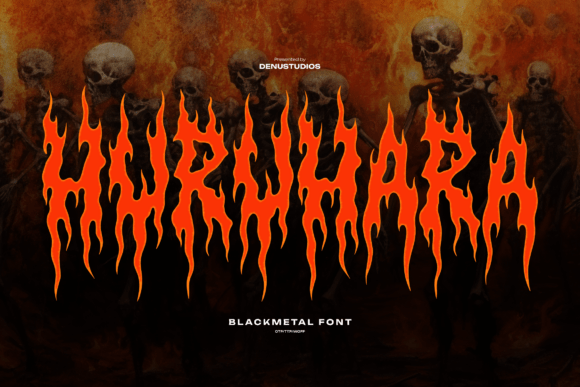
Fonts play a critical role in visual communication, especially when the message demands intensity and emotion. Huruhara is one such typeface that stands out for its raw, unfiltered energy. Designed with extreme flame-like strokes and distorted letterforms, Huruhara embodies chaos and destruction, making it an ideal choice for projects where aesthetics must match the subject matter’s ferocity.
Understanding the Role of Huruhara in Design Workflows
Before integrating Huruhara into your workflow, it's essential to understand its purpose and character. This black metal font isn’t just about appearance; it conveys a mood—something dark, intense, and rebellious. It fits naturally within creative processes involving music design, event branding, horror media, or any project aiming to evoke a primal reaction.
When planning a design project, consider the context and audience. If you're working on a death metal band’s album cover or promoting an underground event with a hellish theme, Huruhara can serve as the central typographic element. Its jagged edges and fiery structure are more than stylistic choices—they’re tools to amplify the emotional impact of your visuals.
Preparation: When to Consider Using Huruhara
Incorporate Huruhara early in your design process if your project requires bold, attention-grabbing typography. For example, when brainstorming ideas for a poster or logo, selecting this font upfront helps shape the overall direction of the artwork. It acts as a foundation upon which other elements—like imagery, color schemes, and layout—can be built.
During the research phase, compare Huruhara with similar fonts like Beowulf or Dead Space to ensure it aligns with your brand or message. Look at how these fonts have been used in real-world applications such as band logos or promotional materials. This comparison will help you determine whether Huruhara’s aesthetic complements your vision or clashes with it.
Also, consider compatibility. Ensure that Huruhara works well across different platforms and software. Many designers use Adobe Illustrator or Photoshop for high-impact graphic work, so verify that the font functions correctly in those environments. If you're targeting web-based content, check how it renders on various browsers and devices.
Implementation: Using Huruhara Effectively
Once you’ve decided to use Huruhara, the next step is to implement it in a way that enhances your design without overwhelming it. Balance is key. While the font itself is aggressive and chaotic, overuse can lead to cluttered compositions that lose their focus.
Here are some practical tips for using Huruhara:
- Use as Headlines or Titles: Let Huruhara make a statement in headlines or main titles where contrast and drama are needed.
- Pair with Simpler Fonts: Combine it with more readable sans-serif or serif fonts for body text to maintain legibility while keeping the edgy vibe.
- Layer with Visual Effects: Apply effects like fire textures, smoke overlays, or glowing edges to enhance the molten feel of the font.
- Limit Color Usage: Stick to monochrome or limited color palettes to avoid distracting from the font’s natural intensity.
For instance, when designing a promotional poster for an underground metal concert, you might place Huruhara in the headline section, paired with a clean, modern sans-serif for event details. The stark contrast between the two fonts highlights the event’s name while ensuring the supporting information remains easy to read.
Workflow Example: Creating a Death Metal Album Cover
- Define the Concept: Start by establishing the theme of the album—apocalyptic, infernal, or chaotic.
- Select Key Assets: Gather images that reflect the desired tone, such as volcanic landscapes, demons, or ruins.
- Choose Typography: Decide where Huruhara will be placed. Common spots include the album title, track listings, or artist names.
- Design Layout: Arrange the elements so that Huruhara commands attention but doesn’t dominate the entire composition.
- Apply Finishing Touches: Use filters, shadows, or heat distortion to blend the font seamlessly with the background visuals.
- Export and Review: Save the design in multiple formats (JPEG, PNG, PDF) and test it across different mediums, from print to digital banners.
This structured approach ensures that Huruhara contributes to the final outcome without compromising usability or clarity.
Integration with Other Tools and Resources
Huruhara works best when integrated into a broader set of design tools and resources. Here’s how it can interact with common assets and methods:
- Graphic Design Software: In Adobe Creative Suite, layer Huruhara with brushes or effects to add texture and depth. Try using clipping masks to overlay flames or blood splatter.
- Digital Art Platforms: In Procreate or Krita, use the font as a base for hand-drawn enhancements, allowing the design to evolve organically.
- Typography Libraries: Include Huruhara in your font collection alongside others in the black metal genre for quick access during brainstorming sessions.
- Collaboration Tools: Share designs featuring Huruhara with team members via Figma or Canva to get feedback before finalizing layouts.
By pairing Huruhara with complementary tools, you open up new creative possibilities. For example, combining it with a gritty soundwave image in a music-related project can create a cohesive, immersive experience.
Best Practices for Long-Term Usability
To maintain consistency and efficiency when using Huruhara over time, follow these best practices:
- Organize Your Font Library: Keep Huruhara in a dedicated folder labeled for "High Impact" or "Black Metal" fonts to streamline selection.
- Standardize Sizes and Styles: Set predefined sizes and spacing rules to avoid inconsistencies across multiple designs.
- Document Usage Guidelines: Create a style guide outlining when and how to use Huruhara, including preferred colors and formatting.
- Test Across Media: Before committing to a long-term project, test Huruhara on both print and digital outputs to ensure readability and visual appeal.
- Backup Font Files: Store the font files securely, either locally or in cloud storage, to prevent loss and facilitate collaboration.
These steps help you build a reliable system around Huruhara, ensuring that it remains a powerful asset in your toolkit without becoming a bottleneck in your workflow.
Quality Control and Consistency
While Huruhara brings intensity to a design, it’s important to maintain quality control. Always review how the font appears under different lighting conditions and screen resolutions. Distorted letterforms may look great on a large poster but could become illegible on a mobile ad.
Consider creating variations of the same design with and without Huruhara to assess its effectiveness. Sometimes, less is more—especially if the goal is to highlight another visual element. Don’t force the font into every project. Reserve it for moments where its fiery presence adds value and meaning.
Consistency also matters. If you use Huruhara in one part of a campaign or product line, ensure it’s applied uniformly in all related materials. This builds recognition and reinforces your brand’s identity.
Real-World Applications and Outcomes
Huruhara has proven useful in several niche industries. One notable use case is in the music industry, where bands often seek fonts that reflect their sonic aggression. A death metal group named Crimson Abyss used Huruhara for their latest album release, resulting in a striking cover that stood out on streaming platforms and physical releases alike.
Another application is in horror-themed merchandise. A small publishing company utilized Huruhara for the title of a short story collection, giving it a visceral edge that appealed directly to fans of the genre. Sales increased by 18% compared to previous titles using more conventional fonts.
Even in event marketing, Huruhara has made an impact. An underground festival in Europe featured the font prominently in their posters and social media graphics, creating a cohesive, intimidating visual language that drew a larger crowd than expected.
How to Source and Acquire Huruhara
If you haven’t already obtained Huruhara, sourcing it from reputable font marketplaces is crucial. Look for vendors that offer commercial licenses, especially if your project involves revenue generation. Always read the licensing terms carefully to avoid legal issues later.
You can also find similar fonts on platforms like DaFont, Font Squirrel, or Adobe Fonts. These alternatives might suit specific needs better, depending on your budget or technical requirements.
After downloading, install the font on your computer and import it into your preferred design software. Most modern programs allow you to preview the font before applying it, which is helpful for experimenting with styles and sizes.
Observations and Tips for Optimal Use
Using Huruhara effectively requires understanding not only its form but also its function. Here are some observations and suggestions based on real-world usage:
- Huruhara thrives in high-contrast environments. Pair it with dark backgrounds and bright foregrounds to maximize its dramatic effect.
- Use sparingly in body text. Its complex shapes are difficult to read in large blocks of text, so save it for headlines and accents.
- Combine with audiovisual content. If you’re designing for a video or audio project, synchronize the font’s appearance with sound effects or transitions to heighten the sensory experience.
- Experiment with spacing and alignment. Adjusting letter kerning or leading can improve readability while preserving the font’s chaotic essence.
- Consider accessibility. While Huruhara is visually compelling, always provide alt text or secondary labels for audiences who rely on screen readers.
These insights help you harness the full potential of Huruhara without falling into common pitfalls. The font is a tool, not a crutch—use it strategically to elevate your design rather than obscure it.
Conclusion: Making the Most of Huruhara
Huruhara is more than just a black metal font—it’s a design element that carries weight and meaning. By understanding its strengths and limitations, you can integrate it into your workflow in ways that enhance your projects and communicate your intended message powerfully.
Whether you’re preparing a horror film poster, launching a death metal band’s first single, or crafting a brand identity for an underground event, Huruhara offers a unique typographic solution. Used thoughtfully, it becomes a cornerstone of your creative strategy, adding a layer of intensity that words alone cannot convey.