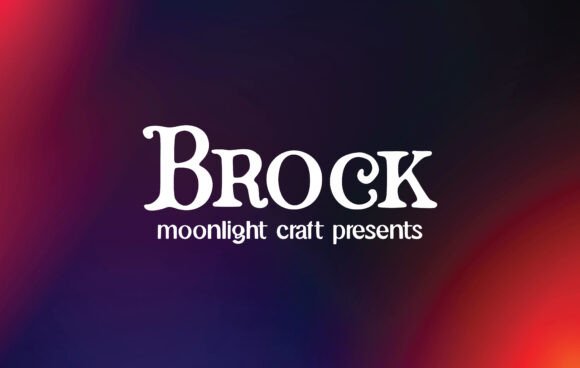
Brock Font: A Bold Blend of Vintage and Modern Style
In the ever-evolving world of design, typography plays a pivotal role in capturing attention, conveying tone, and building brand identity. One font that stands out for its unique combination of elegance and energy is Brock. With its strong curves, classic serifs, and subtle quirks in letterforms, Brock offers a bold yet refined aesthetic that bridges the gap between vintage charm and modern appeal.
Why Typography Matters in Design
Fonts are more than just tools for displaying text—they’re visual elements that shape perception. The right typeface can elevate a logo from forgettable to iconic, transform a poster into an eye-catching masterpiece, or make editorial content feel both trustworthy and engaging. For professionals across industries—from branding experts to small business owners—choosing the right font is a strategic decision that impacts how their message is received.
The Unique Character of Brock
Brock’s design is rooted in the traditions of serif typography but reimagined with a contemporary twist. Its thick strokes and expressive terminals give it a commanding presence, while the slight irregularities in some characters add a human touch. This duality makes it versatile enough for both digital and print media, ensuring legibility without sacrificing style.
What sets Brock apart is its ability to evoke emotion and personality. Unlike many modern sans-serif fonts that lean toward minimalism, Brock brings warmth and character to the table. It’s not just readable; it’s memorable.
Practical Applications for Brock
Brock is especially well-suited for use cases where visual impact and brand storytelling are key. Let’s explore how this font can be applied effectively in different scenarios:
- Logos and Branding: Many businesses struggle to find a font that reflects both professionalism and personality. Brock delivers on both fronts. Its bold structure ensures visibility at a glance, while the vintage-inspired details create a sense of heritage and authenticity. Whether you're launching a new fashion label or revamping a local café’s branding, Brock can help your logo stand out.
- Posters and Event Promotions: When designing posters for events, workshops, or product launches, clarity and charisma are essential. Brock’s high contrast and distinctive shapes allow it to cut through visual noise, making headlines pop while maintaining readability. It works particularly well when paired with minimalist backgrounds or muted color palettes.
- Packaging and Merchandise: In retail, packaging is often the first point of contact between a brand and its audience. Brock can enhance product labels, tins, bottles, and other physical items by adding a tactile quality to the design. Its slightly imperfect charm gives products a handcrafted feel, which resonates strongly with consumers looking for artisanal or nostalgic experiences.
- Editorial Titles and Magazine Covers: Magazines, blogs, and newsletters rely on compelling titles to draw readers in. Brock’s dramatic flair makes it perfect for cover stories or section headers, where it can command attention without overwhelming the layout. The font’s versatility allows it to transition smoothly from large headline sizes to smaller subheadings when needed.
Who Can Benefit Most from Using Brock?
While any designer could appreciate Brock for its visual appeal, certain professions and industries may find it particularly useful:
- Graphic designers: Those who work across multiple mediums will value Brock’s adaptability. It performs well in both high-contrast and soft-toned environments, giving designers flexibility without compromising on style.
- Entrepreneurs and startups: Building a brand from scratch requires a font that communicates strength and creativity. Brock provides a solid foundation for creating logos and promotional materials that feel both established and innovative.
- Marketers and advertisers: In campaigns where emotional resonance is key, such as lifestyle or luxury goods, Brock adds depth and sophistication. Its blend of old-world charm and modernity appeals to a broad demographic, including those who value craftsmanship and tradition.
- Bloggers and publishers: For those who produce written content, the right font can significantly influence reader engagement. Brock’s use in editorial contexts can help establish a unique voice, especially for niche publications or personal blogs aiming for a curated, thoughtful look.
How Brock Enhances Communication and Creativity
Typography isn’t just about looks—it also affects how information is processed. Fonts like Brock contribute to what’s known as “visual hierarchy,” guiding the viewer’s eye and helping them understand the structure of a design quickly. The strong contrast and dynamic forms of Brock naturally draw attention to key messages, whether they’re taglines, brand names, or event dates.
For creatives working under tight deadlines, having access to a font that balances style and usability can save time and reduce the need for back-and-forth revisions. Instead of experimenting with overly decorative or difficult-to-read options, designers can confidently choose Brock knowing it will deliver both aesthetic appeal and functional performance.
Another benefit lies in its ability to simplify decision-making. In branding projects, selecting a font can be one of the most challenging aspects. Brock’s clear purpose and cohesive style eliminate much of the guesswork, allowing teams to focus on other critical elements of their design strategy.
Real-World Examples of Brock in Use
Imagine a boutique winery redesigning its bottle labels. They want something that feels premium yet approachable. Brock would fit perfectly here—its vintage flair suggests tradition and quality, while the boldness reinforces confidence and allure.
Or consider a wellness blog that wants to convey both authority and warmth. By using Brock for section headings and feature titles, the blog maintains a clean, professional layout while infusing personality into each page. This balance helps build trust with readers and keeps them engaged.
Even in the realm of educational content, Brock can be effective. Think of a course brochure or university publication that needs to feel both academic and inviting. Brock’s structured yet expressive design supports this dual need, enhancing the credibility of the institution while making the material feel accessible.
Considerations Before Choosing Brock
Despite its many strengths, Brock may not be the ideal choice for every project. As with any font, context is crucial. Here are a few things to keep in mind before finalizing your selection:
- Legibility in small sizes: While Brock is excellent for headlines and large text, its intricate details might become harder to read in body copy or tiny captions. Always test it in the intended format before committing.
- Style matching: Brock has a distinct personality, so it’s important to ensure it aligns with your brand’s tone and target audience. If your brand leans heavily into minimalism or futuristic aesthetics, a more restrained font might serve better.
- Use case alignment: Consider whether your design benefits from a font with a bit of “character.” If your goal is to communicate efficiency or neutrality (e.g., financial reports), another typeface may be more appropriate.
It’s always wise to compare options. Try pairing Brock with complementary fonts for body text, such as a clean sans-serif or a softer serif. This contrast can highlight the best qualities of each typeface and lead to a more polished overall design.
Integrating Brock Into Your Workflow
Once you’ve decided Brock is the right fit for your project, integrating it into your workflow can be seamless. Most design software and platforms support custom fonts, so you’ll likely find it available through trusted font marketplaces like Adobe Fonts, Google Fonts, or independent foundries.
Here are a few tips for maximizing its potential:
- Use it sparingly for emphasis—too much can dilute its impact.
- Pair it with lighter or simpler fonts to maintain visual balance.
- Experiment with spacing and alignment to enhance its bold nature.
Freelancers and hobbyists can also benefit from using Brock in client proposals, portfolio presentations, or personal creative projects. It adds a layer of professionalism and originality that can set your work apart in competitive fields.
A Thoughtful Choice for Timeless Design
At its core, Brock is more than just a font—it's a design statement. It speaks to a growing trend in typography: the desire for typefaces that offer both functionality and soul. In an age where digital content is abundant and attention spans are short, finding a font that connects emotionally with viewers is a powerful advantage.
Whether you're a seasoned designer or just starting to explore typography, Brock offers a compelling option for projects that demand boldness and charm. Its enduring appeal ensures it won’t feel outdated quickly, making it a smart investment for long-term branding and publishing efforts.
Ultimately, the success of any font depends on how well it serves the design’s purpose. Brock excels in scenarios where character matters and where a touch of nostalgia meets modern clarity. By understanding its strengths and limitations, you can make informed decisions that elevate your work and resonate with your audience.