Why Jude is a Game-Changer for Creative Projects
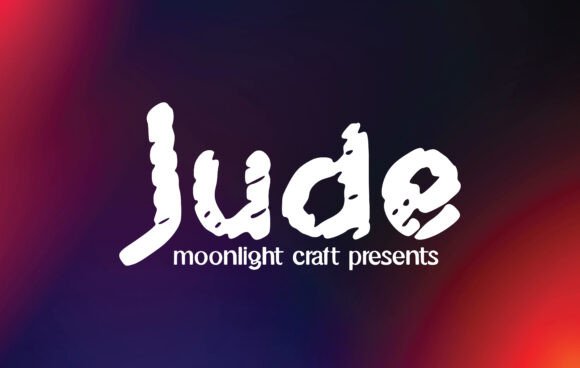
In the world of design and branding, typography plays a crucial role in how your message is perceived. It's not just about making text readable—it’s about evoking emotion, building identity, and capturing attention. That’s where Jude, a lovely and beautiful handwritten font, comes into play. With its elegant curves and natural flow, Jude brings a unique charm to any creative endeavor. Whether you're designing a logo, crafting brand materials, or sharing motivational quotes, this font can elevate your work from ordinary to extraordinary.
The Beauty of Handwritten Fonts in Modern Design
Handwritten fonts like Jude are more than just stylistic choices; they’re tools that connect with audiences on a personal level. Unlike rigid, mechanical typefaces, handwritten fonts convey warmth, authenticity, and creativity. They add a human touch that resonates in today’s digital-first world, especially when used in branding or content marketing. This makes them particularly valuable for professionals who want their work to stand out and feel genuine.
Jude captures the essence of handwriting with precision and artistry. Its letterforms are smooth yet expressive, allowing it to adapt to various styles while maintaining a consistent aesthetic. This versatility means you can use Jude across different platforms—social media, print, websites, and more—and still maintain a cohesive look that feels alive and engaging.
Eye-Catching Logos and Branding with Jude
Logos are the face of your brand, and choosing the right font can make all the difference. A well-designed logo using Jude can communicate professionalism and personality simultaneously. For entrepreneurs launching a new business or small business owners rebranding an existing one, Jude offers a fresh, modern alternative to traditional sans-serif or serif fonts.
Imagine a boutique wellness studio using Jude in their logo. The soft, flowing strokes give off a sense of calm and approachability, which aligns perfectly with their mission. Similarly, a startup in the creative space might leverage Jude to reflect innovation and individuality. In both cases, the font helps establish a visual identity that’s memorable and emotionally appealing.
Real-World Use Cases for Logo Design
- Coffee shops often use handwritten fonts to create a cozy, artisanal vibe. Jude could be ideal for a café named "The Daily Grind" to highlight simplicity and community.
- Fashion brands looking to showcase uniqueness and style may find Jude adds a subtle edge of sophistication without being too formal.
- Educational platforms or coaching services can use Jude to project accessibility and inspiration, helping potential clients feel seen and understood.
Bringing Quotes to Life with Jude
Motivational quotes, book covers, and social media posts benefit greatly from the emotional resonance of a good handwritten font. Jude, with its balance between elegance and casualness, is perfect for these applications. It doesn’t overwhelm the reader but instead invites them to pause, reflect, and engage.
For bloggers and educators, using Jude in quote graphics can enhance shareability. People are more likely to save and repost something that feels personal and visually pleasing. Similarly, publishers and authors can use Jude in book titles or promotional materials to evoke a sense of intimacy and connection with their audience.
Consider a lifestyle blog that shares daily affirmations. Pairing short, impactful phrases with Jude in a clean layout would instantly make the content feel handcrafted and sincere. Or picture a self-help author whose book title uses Jude—it immediately suggests a voice that speaks directly to the reader, rather than at them.
How to Use Jude for Maximum Impact in Quotes
- Pair it with a minimalist background to let the font shine.
- Use varying weights (if available) to emphasize key words or phrases.
- Combine it with a simple sans-serif font for body text to maintain readability.
- Test it on different screen sizes to ensure legibility and visual appeal across devices.
Improving Communication Through Typography
Typography isn’t just about looks—it also affects how effectively you communicate. When used thoughtfully, a font like Jude can help clarify tone, reinforce messaging, and even influence how people perceive your brand or product.
Marketers and freelancers who need to create compelling visuals for campaigns or client presentations can use Jude to craft headlines that feel authentic and trustworthy. Its character gives copy a more conversational tone, which can be especially effective in email newsletters, infographics, or event invitations.
Take, for example, a nonprofit organization promoting mental health awareness. Using Jude in their campaign taglines could help soften the message, making it more inviting and less clinical. This subtle shift can significantly impact how audiences respond to the information being shared.
When to Consider Jude for Your Project
- When you want to add a personal touch to professional materials.
- When designing for industries that value creativity, such as art, fashion, or education.
- When aiming to build trust through a warm and approachable visual language.
- When creating content that needs to feel handpicked rather than mass-produced.
Time-Saving and Creative Support
One of the biggest challenges in design is balancing creativity with efficiency. Jude simplifies this process by offering a high-quality font that requires minimal tweaking. You won't spend hours adjusting kerning or spacing because the font already has a natural rhythm and harmony built into its design.
This time-saving feature is a boon for busy professionals and hobbyists alike. Instead of experimenting with multiple fonts to find the right fit, Jude can often be the first choice that works seamlessly. It supports quick decision-making without compromising on aesthetics, which is essential in fast-paced environments like digital marketing or event planning.
Moreover, Jude encourages creativity. Because it’s a handwritten font, it inherently feels more flexible and open-ended. This can inspire designers to think outside the box and explore unconventional layouts, color schemes, or compositions that wouldn’t have worked with a standard font.
Streamlining Design Workflows with Jude
Graphic designers and marketers working under tight deadlines will appreciate how Jude integrates easily into design software like Adobe Illustrator or Canva. Its clear structure and fluid style reduce the guesswork involved in pairing fonts, ensuring that your final product looks polished and intentional.
Freelancers who juggle multiple projects can use Jude consistently across client work, maintaining a signature style while adapting to different themes. This not only saves time but also builds a recognizable portfolio over time.
Who Can Benefit Most from Using Jude
While Jude is versatile enough for many applications, certain groups may find it especially useful:
- Entrepreneurs: Building a brand from scratch requires thoughtful design choices. Jude helps create a distinct visual identity that stands out in competitive markets.
- Bloggers and Content Creators: Engaging audiences starts with visuals. Using Jude in headers or pull quotes can boost engagement and encourage readers to interact more deeply with the content.
- Small Business Owners: Budget-friendly branding is achievable with the right tools. Jude allows for professional-looking designs without the need for expensive custom typography.
- Event Planners: Invitations, signage, and promotional materials become more inviting and memorable when styled with a font like Jude.
- Designers and Marketers: As mentioned earlier, Jude streamlines the creative process and supports a wide range of design outcomes—from logos to advertisements.
Thoughtful Recommendations for Specific Industries
If you’re in the health and wellness sector, consider using Jude in your branding to evoke a sense of mindfulness and care. For creative agencies, it can serve as a go-to font for showcasing client work in a visually appealing way. Even in academic publishing, Jude can be used sparingly in cover designs or chapter headings to add a touch of originality and interest.
Practical Limitations and Fit Considerations
Despite its strengths, Jude isn’t the best fit for every situation. While it excels in logos, quotes, and branding, it may not be suitable for long paragraphs of body text due to its cursive nature. Reading large amounts of text in a handwritten font can be challenging for some users, especially those with visual impairments or reading difficulties.
Additionally, while Jude is beautiful and expressive, it may not align with the needs of highly formal or technical fields. Think about legal documents, scientific reports, or financial statements—these typically require more structured, legible fonts. Always consider your audience and context before deciding on a font.
To avoid misuse, recommend using Jude as an accent font rather than the primary typeface in most projects. Let it shine in headlines, callouts, and decorative elements, while reserving other fonts for dense text areas. This ensures clarity and maintains the effectiveness of your communication.
Comparing Options for the Right Fit
Before finalizing Jude for a project, it’s wise to compare it with similar handwritten fonts. Look for variations in weight, stroke consistency, and character set. Some fonts may offer better support for multilingual characters or special symbols, which can be important depending on your target market or platform requirements.
Also, test Jude against your brand colors and backgrounds. While the font itself is elegant, it should harmonize with the rest of your design. A mismatched color or overly complex backdrop can diminish its beauty and clarity.
Enhancing Presentations and Visual Storytelling
Presentations and infographics are powerful tools for communication, but they rely heavily on visual hierarchy. Jude can be a great asset in this context when used for emphasis, titles, or key takeaways. Its organic feel can make data-driven slides feel less intimidating and more relatable.
For instance, if you're presenting a sustainability initiative, using Jude for section headers can help frame the content as part of a larger, human-centered story. It bridges the gap between hard facts and emotional impact, making your presentation more engaging and persuasive.
Similarly, in educational settings, Jude can simplify complex topics by adding a friendly, approachable layer to slide decks or printed handouts. Teachers and trainers often find that combining different fonts improves comprehension and keeps students interested.
Best Practices for Using Jude in Presentations
- Use Jude sparingly for headings and highlights to avoid visual clutter.
- Ensure there’s sufficient contrast between the font and background colors.
- Pair it with a clean, neutral font for body text to maintain readability.
- Limit the number of different font weights or styles within a single presentation.
Conclusion: Embracing Creativity with Purpose
Fonts like Jude aren’t just about aesthetics—they’re about intention. Choosing the right typeface means understanding your audience, your goals, and the message you want to send. Jude offers a unique blend of beauty and functionality, making it a strong contender for anyone looking to enhance their creative output with a font that feels both professional and personable.
By incorporating Jude into your design toolkit, you open the door to more expressive, impactful visuals. Whether you’re crafting a brand, writing a book, or sharing insights online, this font can help you tell your story with confidence and creativity. But always remember to use it wisely, considering its limitations and the broader design context.
Ultimately, Jude is more than just a font—it’s a design ally that can help you bring your ideas to life with clarity and charm. So next time you’re faced with a typographic choice, consider what Jude can do for your message. You might just find it’s the perfect match for your vision.