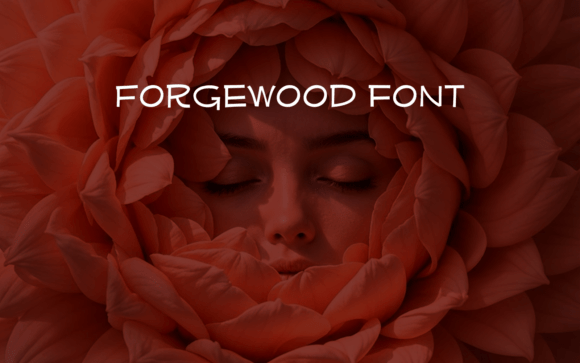
Forgewood: A Font with Heritage, Grit, and Character
In a world where digital design often leans toward sleek minimalism, there’s something uniquely powerful about fonts that evoke the past. Forgewood is one such font — a typographic choice that brings handcrafted authenticity to your message. Designed for those who value heritage, boldness, and raw character, Forgewood stands out with its rugged lines and strong presence. Whether you're crafting a vintage logo, an artisan label, or branding for an outdoor brand, this font offers a voice that speaks of tradition, strength, and soul.
What Makes Forgewood Unique?
Forgewood isn’t just another typeface; it’s a statement. Inspired by the look of hand-forged metal and weathered wood, it captures the essence of craftsmanship in every stroke. The font features subtle imperfections and a natural texture that gives it depth and dimension. This intentional roughness makes it feel real — like it was carved into a signpost or stamped onto a leather label decades ago.
Unlike many modern sans-serif fonts that aim for perfection, Forgewood embraces irregularities. Its characters have a lived-in quality, with varying line weights and slight inconsistencies that add to its charm. These details are what make it ideal for projects where authenticity is key. It doesn’t just look good; it feels like it belongs in the story you’re trying to tell.
Common Design Challenges and How Forgewood Helps
Designers often face the challenge of creating visuals that resonate emotionally while maintaining professionalism. In industries like craft brewing, outdoor gear, and artisanal products, the visual identity must reflect the values of the brand — whether that's sustainability, durability, or time-honored techniques.
- Lack of Authenticity: Generic fonts can make a brand feel impersonal or mass-produced. Forgewood adds a layer of credibility by visually suggesting a legacy.
- Standing Out in a Crowded Market: With so many similar brands vying for attention, a distinctive font like Forgewood can help create a memorable first impression.
- Maintaining Brand Voice Consistency: If your brand speaks to resilience or heritage, Forgewood aligns perfectly with that tone, helping to reinforce your messaging across all platforms.
Practical Applications of Forgewood
The versatility of Forgewood allows it to be used in various contexts. Here are some practical applications where it shines:
1. Artisan Labels and Packaging
For small-batch producers — from candle makers to coffee roasters — the packaging is more than just a container; it’s a part of the product experience. Forgewood adds a tactile, almost rustic feel that complements handmade goods. Its bold stance ensures legibility even at smaller sizes, making it perfect for labels that need to stand out on store shelves or online listings.
2. Vintage and Retro Branding
If you're launching a brand inspired by the past, Forgewood is a great fit. It works well in designs that mimic retro posters, antique signs, or classic logos. The font’s personality helps bridge the gap between modern design tools and vintage aesthetics, giving your project the right balance of old-world charm and contemporary clarity.
3. Outdoor and Adventure Brands
Outdoor brands often want their typography to reflect strength, endurance, and connection to nature. Forgewood’s rugged appearance supports these themes without overdoing it. It conveys the idea of something built to last, much like the gear or experiences your brand represents.
4. Craft Breweries and Distilleries
Craft beverage brands frequently use typography to express their unique stories. Forgewood fits seamlessly into this space, especially when paired with imagery of barrels, bottles, or wooden taproom signs. It enhances the narrative of quality, tradition, and craftsmanship that many breweries and distilleries want to communicate.
How Different Users Can Leverage Forgewood
Depending on your industry and design goals, you might approach Forgewood in different ways. Here are a few tailored suggestions:
- Graphic Designers: Use Forgewood as a headline or accent font to add contrast and visual interest. Pair it with a clean sans-serif body font to maintain readability while highlighting key messages.
- Small Business Owners: Incorporate Forgewood into your logo and marketing materials to immediately convey authenticity and quality. It can become a signature element of your brand’s visual identity.
- Web Developers: Implement Forgewood in hero sections or call-to-action buttons to create a bold, memorable impact. Ensure it's optimized for web performance and accessibility, especially if using heavier versions of the font.
- Print Designers: Take advantage of Forgewood’s textured aesthetic in print media like brochures, packaging, and signage. It performs exceptionally well in high-quality print formats where subtlety and detail matter.
Best Practices When Using Forgewood
To get the most out of Forgewood, consider the following tips:
- Use Sparingly: Because of its bold and textured nature, it’s best suited for headlines, titles, or short text. Overuse can lead to visual fatigue or reduce readability.
- Pair Thoughtfully: Complement Forgewood with simpler, more neutral fonts for body text. This contrast will keep your design balanced and functional.
- Consider Color and Background: To highlight the font’s character, use dark backgrounds with light text or vice versa. Avoid busy patterns that may distract from the font’s intricate details.
- Test Across Platforms: Make sure Forgewood looks consistent on both digital and print mediums. Test how it appears on mobile screens, websites, and physical products before finalizing your design.
Real-World Examples and Recommendations
Imagine a local distillery promoting its new whiskey line. A clean white label with black Forgewood lettering instantly communicates quality and heritage. Now picture a hiking gear brand using it on a website banner above an image of mountains — it reinforces the idea of adventure and resilience.
Another example could be a boutique bakery using Forgewood on its storefront sign. The font’s warmth and character would invite customers in and suggest a place where every loaf is made with care and tradition.
When choosing Forgewood for your next project, start by defining your brand’s core message. Does it rely on storytelling? Is authenticity a key selling point? If so, then this font is likely a perfect match. Consider experimenting with spacing and weight variations to find the right tone for your specific application.
Why Choose Forgewood?
Fonts play a crucial role in shaping how audiences perceive a brand or message. Forgewood goes beyond aesthetics by delivering a sense of purpose and history. It’s not just about looking good — it’s about feeling grounded and genuine.
This font is particularly useful when you want to:
- Highlight a brand’s roots or artisanal process
- Create a strong visual hierarchy in a design
- Build trust through a timeless, authentic look
- Make a bold statement without being overly flashy
Its appeal lies in its ability to adapt — from luxury branding to grassroots campaigns — while always retaining its distinct personality. That makes it a valuable asset in any designer’s toolkit.
Final Thoughts
Forgewood is more than a font — it’s a tool for storytelling. In a market where consumers are increasingly drawn to brands with substance and soul, typography like Forgewood can help you connect more deeply with your audience. Whether you're building a legacy brand or designing for a niche community, this font brings a level of authenticity that's hard to replicate.
So the next time you're looking for a font that says "craft," "character," and "heritage" all at once, remember Forgewood. It’s the kind of font that doesn’t just display words — it tells them. And in today’s design landscape, that’s exactly what people are looking for.