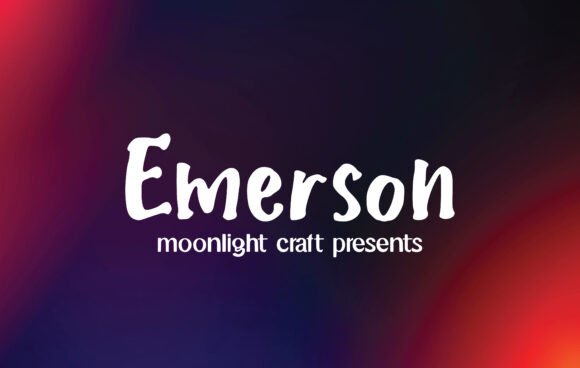
Emerson Font: A Timeless Choice for Professional and Creative Projects
Fonts play a crucial role in shaping the visual identity of any design. Whether you're crafting a brand logo, designing a magazine layout, or creating digital content, the right typeface can elevate your work from ordinary to extraordinary. Emerson is one such font that stands out for its versatility, readability, and elegant character. Named after the American philosopher Ralph Waldo Emerson, this typeface embodies a sense of individuality and clarity—traits that are essential in both print and digital media.
The Design Philosophy Behind Emerson
Emerson is designed with a focus on balance between form and function. It draws inspiration from classic serif fonts but introduces subtle modern touches that make it feel fresh without losing its timeless appeal. The font’s clean lines and open letterforms contribute to its high legibility, making it suitable for extended reading as well as eye-catching headlines. Its neutral yet distinctive personality allows it to adapt seamlessly across a wide range of applications, from editorial design to branding materials.
Key Characteristics of Emerson
- Legibility: One of the standout features of Emerson is its exceptional readability at various sizes. This makes it an excellent choice for body text in documents, websites, and magazines.
- Elegance and Simplicity: With refined proportions and minimal ornamentation, Emerson conveys professionalism and sophistication. Its design avoids unnecessary embellishments while maintaining a strong typographic presence.
- Weight Variety: Emerson offers multiple weights, including light, regular, bold, and extra-bold options. This flexibility ensures that designers can match the font to different styles and contexts, from delicate wedding invitations to bold t-shirt graphics.
- Unicode Support: The font supports a broad range of characters and languages, which is particularly beneficial for international projects or multilingual publications.
Practical Applications and Real-World Use
In today’s design landscape, having a font that performs well across diverse platforms and formats is essential. Emerson excels in environments where clarity and visual impact are equally important. For instance, when used in magazine headlines, it commands attention without overwhelming the reader. In contrast, as body text, it maintains a comfortable reading experience, even in long paragraphs.
Marketing professionals often look for fonts that reflect their brand’s personality. Emerson works well for brands that aim to project authority, trustworthiness, and approachability. Its understated elegance makes it ideal for corporate communications, infographics, and presentations. Freelancers and entrepreneurs who prioritize typography in their portfolios or business cards will find Emerson adds a polished touch to their materials.
Why Emerson Stands Out in Branding and Editorial Work
Branding requires consistency and memorability. Emerson provides a consistent visual language across different mediums, whether it's printed collateral or digital interfaces. Its ability to maintain legibility in both large and small sizes ensures that your brand message remains clear and impactful, regardless of how it's presented.
In editorial design, Emerson’s performance is equally impressive. When applied to newspaper layouts, blog posts, or academic journals, it enhances the overall aesthetic while supporting functional readability. Designers appreciate how it pairs well with both traditional and contemporary sans-serif fonts, allowing for creative hierarchy and contrast without sacrificing coherence.
Who Can Benefit Most from Using Emerson?
Emerson is not just another pretty font—it’s a practical tool for professionals and creatives alike. Here are some key audiences who may find Emerson particularly useful:
- Graphic Designers: Those working on client projects need fonts that are reliable and adaptable. Emerson fits the bill by offering a professional appearance and a wide range of styling possibilities.
- Bloggers and Publishers: If your content requires both title and body text, Emerson’s dual functionality can streamline your design process while ensuring a cohesive look.
- Small Business Owners: Building a brand from scratch demands smart choices. Emerson helps establish a credible and stylish identity through thoughtful typography.
- Event Planners and Wedding Designers: From invitations to signage, Emerson brings a refined and elegant tone that complements formal events and personal celebrations alike.
- Social Media Marketers: Creating engaging posts on platforms like Instagram or LinkedIn often involves short, punchy text. Emerson’s strong character set and crisp rendering help messages stand out in crowded feeds.
Realistic Examples of Emerson in Action
Consider a lifestyle blog focused on wellness and mindfulness. Emerson could serve as the headline font for each post, drawing readers in with its balanced weight and subtle charm. As body text, it would provide a calming and easy-to-read format that aligns with the blog’s mission.
For a boutique clothing line launching a new product line, using Emerson for packaging labels and website banners would add a touch of sophistication. Its bold variants can highlight key phrases like “New Collection” or “Limited Edition,” while lighter versions can be used for taglines and descriptions.
In the world of print publishing, a travel magazine might use Emerson for its cover title and section headings. The font’s clarity ensures that names of destinations and featured articles remain legible even at smaller sizes, enhancing the user experience for readers flipping through pages.
Strengths and Limitations to Consider
While Emerson has many strengths, it’s also important to understand its limitations to determine if it’s the right fit for your project. One of its greatest advantages is its neutrality. It doesn’t have a heavy historical style or eccentricities that limit its application. Instead, it acts as a versatile foundation that supports creativity without overshadowing it.
However, this same neutrality means that Emerson may not be the best choice for designs that require a highly unique or artistic flair. If your project leans into vintage aesthetics, ornate details, or avant-garde typography, Emerson might come off as too standard. That said, for most professional and semi-professional uses, its simplicity is a strength rather than a limitation.
Usability and Technical Performance
From a usability standpoint, Emerson is a pleasure to work with. It loads efficiently in design software and web development environments, minimizing delays in rendering. Its OpenType features include ligatures, alternate glyphs, and advanced spacing controls, giving designers more creative freedom without complicating the workflow.
On screen, Emerson retains its sharpness and clarity across different resolutions and devices. This is especially valuable for marketers and content creators who need their messaging to appear consistent and professional whether viewed on desktops, tablets, or mobile phones.
How Emerson Compares to Other Fonts in Its Category
When evaluating Emerson alongside similar fonts like Georgia, Merriweather, or Lora, it holds its own in terms of readability and elegance. Unlike some serif fonts that lean too heavily on historical styles, Emerson feels current and adaptable. It also lacks the overly decorative elements found in fonts like Playfair Display or Cinzel, making it a better choice for projects that value subtlety over showmanship.
Compared to sans-serif fonts like Helvetica or Roboto, Emerson offers a warmer, more humanized appearance. This makes it suitable for brands or publications aiming to convey a sense of tradition, thoughtfulness, or literary quality.
Long-Term Value and Reliability
A good font should not only meet your current needs but also support your evolving design goals. Emerson is built with longevity in mind. Its clean construction and adaptability mean it won’t date quickly, and it can easily transition from print to digital formats. This reliability reduces the need for frequent font changes as trends shift, saving time and resources in the long run.
Moreover, Emerson is available in several font families, ensuring compatibility with a variety of design tools—from Adobe Illustrator and Photoshop to web-based editors like Canva or Figma. This accessibility makes it a solid investment for anyone serious about typography.
Final Thoughts and Recommendations
If you're looking for a font that balances beauty with utility, Emerson is a compelling option. Its design reflects a deep understanding of typography fundamentals, and its performance in real-world settings speaks to its practical value. While it may not suit every project, especially those requiring maximalist or niche styles, it’s a safe and effective choice for most professional and creative applications.
Before committing to Emerson for a specific project, consider pairing it with other fonts to test how it complements your overall design. Try using it in mockups for branding, editorial, or event-based materials to see how it translates visually. Once you've tested its versatility and effectiveness, you’ll likely find it becomes a go-to font in your toolkit.
Ultimately, Emerson isn’t just about aesthetics—it’s about communication. By choosing a font that enhances readability and reinforces your message, you’re taking a step toward more impactful and memorable design.