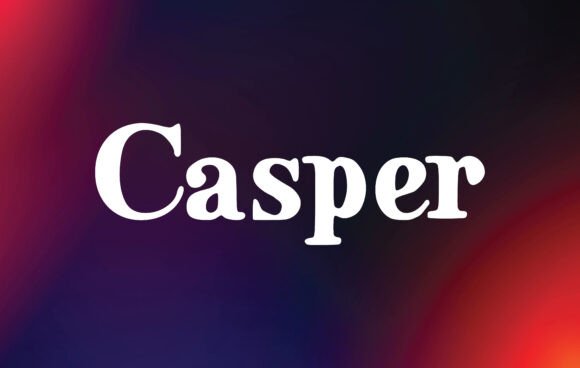
Casper: Elevating Creativity with a Handwritten Font
Casper is more than just a font—it’s a visual tool that can shape how your message is perceived. As a beautifully crafted handwritten typeface, it offers a unique blend of elegance and warmth, making it ideal for creative professionals who want to stand out in a crowded digital space. Whether you're designing a logo, crafting brand content, or creating compelling quotes, Casper provides the aesthetic flexibility needed to communicate authenticity and artistry.
Why Casper Matters in Modern Design
In today’s fast-paced world, where attention spans are short and competition for engagement is fierce, the right typography can make all the difference. Casper, with its fluid strokes and organic feel, brings a human touch to otherwise sterile digital environments. This characteristic is especially valuable when trying to connect emotionally with an audience. For entrepreneurs, marketers, and designers, this means using Casper strategically to enhance brand identity and foster trust through visually appealing communication.
Strategic Use in Branding and Identity
Branding is about more than just colors and logos; it's about tone and emotion. Casper supports these goals by offering a design element that feels personal yet professional. When used in branding materials like website headers, packaging, or promotional content, it signals approachability and creativity without sacrificing credibility. A well-placed use of Casper can help establish a distinct visual personality, setting your brand apart from competitors who rely on standard sans-serif or serif fonts.
- Logo Design: Casper can be used as the primary text in a logo for businesses in creative fields—such as design agencies, lifestyle brands, or wellness companies—to evoke a sense of individuality and craftsmanship.
- Brand Statements: Incorporate Casper into taglines or mission statements to add emotional resonance and visual interest.
- Marketing Collateral: From social media posts to printed brochures, Casper enhances readability while maintaining a stylish edge.
Supporting Communication and Customer Experience
Effective communication isn’t just about clarity—it's also about connection. In customer-facing content such as thank-you notes, product descriptions, or email signatures, Casper can create a more personal experience. Its soft curves and natural flow mimic handwriting, which studies suggest increases perception of sincerity and relatability. For educators, bloggers, and freelancers, this can translate into stronger engagement and better audience retention.
- Use Casper in captions for blog posts or articles to highlight key takeaways in a friendly, accessible way.
- Integrate it into email templates to soften the tone of business communications and encourage a more conversational style.
- Apply it to event invitations or newsletter headers to create a welcoming atmosphere that invites interaction.
Planning Thoughtful Typography Choices
Typography should never be an afterthought. When planning your design projects, consider how each font choice aligns with your strategic goals. Casper is particularly useful when you aim to convey a specific mood or character—think “handcrafted,” “authentic,” or “artistic.” But before committing to it, ask yourself: Does Casper fit the overall tone of my project? Will it complement the other design elements or clash?
To answer these questions effectively, start by mapping out your project's purpose. If you're launching a new product line targeting young adults seeking personalized experiences, Casper may be perfect. However, if your content requires strict readability (e.g., long paragraphs or data-heavy reports), it might not be the best fit. Always pair Casper with simpler fonts in body text to maintain legibility and balance.
Use Cases Where Casper Shines
Casper works best in contexts where aesthetics and emotional appeal matter most. Here are some scenarios where it adds real value:
- Quotes and Captions: Casper elevates the look of motivational quotes, testimonials, or call-to-action statements by making them appear more genuine and handpicked.
- Invitations and Greetings: For wedding invitations, birthday cards, or event announcements, Casper gives a timeless, elegant feel that stands out.
- Product Packaging: Especially for artisanal products, handmade goods, or niche brands, Casper adds a layer of sophistication and charm.
One practical example is a small coffee shop rebranding its menu boards. By using Casper for headings and key phrases like "Our Signature Blend" or "Hand-Dipped Pastries," they created a warm and inviting visual narrative that aligned perfectly with their brand story. The result was increased customer interaction and a stronger online presence.
How to Approach Casper in Your Workflow
When integrating Casper into your design process, intentionality is key. Start by defining what kind of impression you want to make. Next, test how it looks alongside your existing brand assets. Finally, apply it selectively to avoid overwhelming your audience.
Consider the following steps to ensure thoughtful implementation:
- Define the Context: Is Casper being used for headlines, subheadings, or decorative elements? Each role demands a different level of emphasis.
- Test for Legibility: Ensure that the font remains clear at various sizes and across different platforms, especially mobile devices.
- Balance with Simplicity: Pair Casper with clean, modern fonts in body text to maintain a cohesive and readable layout.
Risks of Using Casper Without Clear Strategy
While Casper has undeniable visual appeal, its misuse can lead to confusion or dilute your brand messaging. One common pitfall is applying it too broadly without considering the context. For instance, using Casper in a financial report or legal document would likely hinder readability and professionalism. Similarly, overusing it in marketing materials can cause visual fatigue, reducing its impact over time.
Another risk lies in inconsistency. If Casper appears sporadically across your website or print materials, it may confuse your audience rather than strengthen your brand. Establish clear guidelines for when and how to use it, ensuring it supports—not undermines—your overall design strategy.
Decision-Making Guidance for Maximum Impact
Deciding whether to use Casper should always be tied to a specific outcome. Ask yourself: What do I want the audience to feel or remember after seeing this design? If the answer includes words like trust, creativity, or personal connection, then Casper could be a strong contender.
Additionally, evaluate your audience demographics. Casper resonates well with audiences who appreciate authenticity and handcrafted aesthetics—typically those aged 20–50 who seek meaningful interactions with brands. It may not be as effective for younger users or corporate clients expecting formal communication styles.
Long-Term Value and Creative Productivity
Over time, consistent use of Casper can become part of your brand’s signature look. This consistency helps build recognition and reinforces your creative positioning. As a result, it contributes to long-term brand equity and customer loyalty.
From a productivity standpoint, Casper can streamline your creative workflow by providing a reliable typographic option for high-impact visuals. Designers often spend hours searching for the perfect font to match a concept—Casper reduces that effort by offering a versatile solution that adapts to multiple design needs.
Here’s how to maximize its long-term benefits:
- Develop a typography hierarchy that defines where Casper fits in relation to other fonts.
- Use it as a visual anchor in presentations, infographics, or posters to guide the viewer’s eye naturally toward key messages.
- Create a font pairing library with Casper so your team can consistently apply it in alignment with brand standards.
Learning and Growth Through Strategic Typography
Choosing the right font is part of the learning curve for any designer or marketer. With Casper, there's an opportunity to grow by understanding how typography affects perception and behavior. Educators and trainers can leverage this by incorporating Casper into case studies or workshops focused on visual storytelling and user experience.
For freelancers and small business owners, experimenting with Casper can be a low-risk way to refine your design skills and discover what works best for your niche. Track how designs using Casper perform compared to others and adjust your approach based on real-world feedback.
Conclusion
Casper is a powerful asset for anyone looking to elevate their creative output with a font that balances beauty and function. Its ability to support branding efforts, enhance communication, and inspire visual storytelling makes it a valuable addition to any design toolkit. However, success with Casper depends on strategic planning, intentional application, and an understanding of your audience’s expectations.
By thoughtfully integrating Casper into your projects, you’re not just choosing a font—you’re shaping a visual language that speaks directly to your goals. Whether you're building a brand, crafting engaging content, or simply aiming to leave a lasting impression, Casper offers a unique opportunity to bring your ideas to life with both style and substance.